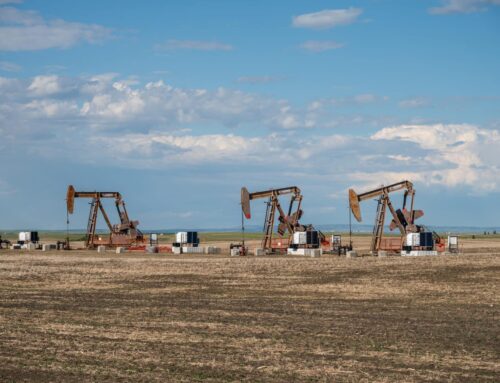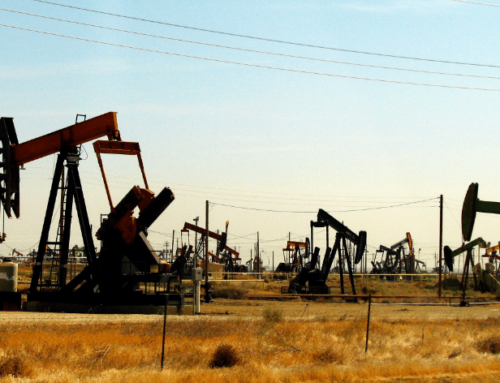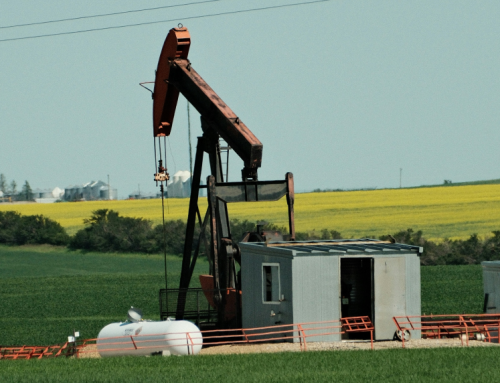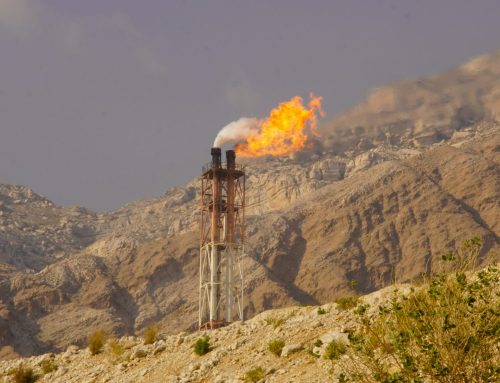

This year, the Bureau of Land Management (BLM) leased 175,000 acres of federal land to private companies to develop oil and gas. For next year, the agency plans to increase this by more than four-fold, with 780,000 acres—a combined area larger than the state of Rhode Island—announced so far, and more to come. Resource development on public lands can be done responsibly. But under current rules taxpayers are likely to see billions of dollars from taxpayer-owned oil and gas line the pockets of the politically connected instead of the public.
The Trump Administration has been clear about its love for the oil and gas industry and its goal to lease more federal land in the name of energy dominance. But industry has shown repeatedly that production decisions are driven by global market conditions, not policy sweeteners. What companies are always more than happy to secure, however, are leases offered for pennies on the dollar.
That leaves the real question—in an era of record production and a record federal deficit, do we really need to offer oil and gas companies even more giveaways at taxpayers' expense?
Federal energy and mineral resources, including oil and gas, are managed by the government and held in trust for the public. To develop these taxpayer-owned resources, the government issues leases to private companies granting the right to develop a parcel. This gives the company a set period of time (often ten years) in which they can develop and sell any extracted oil and gas for private profit. To acquire a lease, companies submit bids at competitive auctions (with some exceptions). They pay rent on parcels that are not producing oil and gas, then pay a set percentage of the value of the oil and gas they sell, known as a royalty, once they are producing.
Oil and gas are valuable resources. By law BLM is required to ensure taxpayers receive a fair return on their development. But exactly what a "fair return" means, is subject to the whims of Congress and the administration in power. And right now, the public's share isn't fair at all.
On July 4, President Trump signed the One Big Beautiful Bill Act—which dear Wastebasket subscribers know we have written about time and time again—and reduced the share taxpayers receive from the development of federally owned oil and gas resources from 16.67% to 12.5%. This is far below the rates that most states and private landowners charge.
Oil and gas leasing on federal lands generated $43 billion in revenue over the last decade. This revenue is evenly split between the federal treasury and the states where it is produced—supporting education, infrastructure, and other local priorities. Royalties account for nearly 90% of all revenue from oil and gas development. Cutting the royalty rate from 16.67% to 12.5% punches a massive hole in the revenue bucket, costing taxpayers billions of "leaked" revenue.
Justifications for lowering the royalty rate are lacking. There is little evidence to suggest lower royalty rates affect companies' decisions on where to lease. The Congressional Budget Office (CBO) found that leasing terms, like royalty rates, have a relatively minor effect compared to development potential, commodity and futures prices, and the cost of capital. Last year's lease sales under the higher 16.67% rate support that conclusion. Auctions were highly competitive and average bids hit an all-time high.
Leasing terms matter even less when it comes to production decisions, which are driven by oil and gas prices on the global energy market. When evaluating a potential increase in the federal onshore royalty rate, CBO estimated it would have a "negligible" impact on oil and gas production on federal lands. The nonpartisan Government Accountability Office (GAO) reached similar conclusions.
And as if below-market royalty rates weren't bad enough, the leasing system further drains taxpayers' share through deductions and royalty relief. Companies can cut their royalty payments by up to half to offset transportation costs and by up to two-thirds to offset "reasonable" costs to process gas. If both allowances are maximized, the royalty that would otherwise be owed to the federal government could be reduced from 12.5% to just 2.08%! On top of that, BLM has broad discretion to further reduce royalty rates when deemed "necessary to promote development of the lease."
But wait, the bucket keeps leaking because the federal government lacks the tools to ensure companies are actually paying what they owe, leaving the door open to fraud and abuse. For nearly 15 years, GAO has warned that persistent structural problems, from data management to unrealistic deadlines, may prevent the Department of the Interior from accurately collecting royalties, whatever the rate. As GAO put it, "if the agency could improve its royalty collections by even one percent, it could increase royalties collected by tens of millions of dollars per year."
While these subsidies have existed for years, the risks to taxpayers are multiplied by the recent push for expanded leasing. As more land is offered at bargain rates, and more leases are locked into the at-most 12.5% royalty rate, taxpayers are losing out on millions in potential revenue.
Since July 4, when the royalty rate was reduced, BLM has leased 243,585 acres of federal land. TCS estimates taxpayers have already lost $489 million in potential royalty revenue based on lifetime production projections for those leases. With auctions next year expected to offer roughly three times that acreage, these losses could quickly climb into the billions.
Federal lands and federal resources are valuable and should not be given away at rock-bottom prices. Cutting oil and gas royalties during periods of high production simply gives away revenue that would otherwise flow to federal and state budgets. We are not opposed to oil and gas development. We just want to make sure taxpayers are not leaving money on the table.
- Photo by California BLM