On April 30, the Environmental Protection Agency (EPA) released new guidance clarifying implementation of its 2024 standards to reduce methane and volatile organic compound (VOC) emissions in the oil and gas sector.
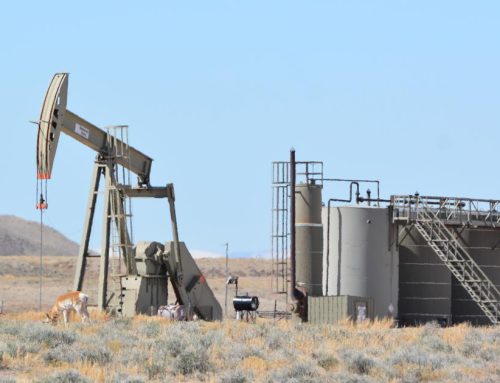
The memorandum specifically addresses the flaring of associated gas by new oil wells. As operators drill for oil, some natural gas—referred to as associated gas—comes to the surface as well. Often, operators will choose to flare this gas rather than build the infrastructure necessary to capture and sell it. According to self-reported data, 82% of gas lost by drilling operators from fiscal years 2012-2021 was flared, most of it at oil wells.
Under the New Source Performance Standards (NSPS), finalized in 2024, new facilities are only permitted to flare gas for a temporary period, between 24 hours and 30 days, to make necessary repairs or address interruptions in gas gathering infrastructure.
The memo clarifies that these temporary flaring provisions are designed to apply to “an interruption in service downstream that is outside the owner or operator’s control,” such as when a third-party gas gathering system is unable to accept all or part of the associated gas because it is at full capacity, experiencing upsets, or undergoing maintenance. Notably, the memo cites “insufficient pipeline capacity” driven by “economic reasons”—that is, situations where it is easier and cheaper for operators to flare associated gas than to capture and bring it to market. In practice, this significantly broadens what may qualify as a “temporary interruption” and expands the circumstances under which flaring is allowed.
Additionally, the memo confirms that “there is no requirement in the EPA’s regulations to make a ‘technical infeasibility’ demonstration.” In other words, operators do not need to prove that capturing the gas was impossible—only that it could not easily reach a point where it could be sold.
Expanding these exemptions and allowing for more flaring is bad for taxpayers, consumers, and nearby communities. Flaring wastes natural gas that could otherwise be brought to market, denying consumers access to a valuable energy resource and depriving taxpayers of federal, tribal, and state royalty revenues from those sales. Methane emissions also pose significant public health risks, especially for the more than 10 million Americans living within half a mile of active oil and gas operations.
Cost-efficient solutions exist to reduce this waste. The oil and gas industry has access to a range of technologies to curb emissions, but regulatory uncertainty stalls investment and creates an uneven playing field by penalizing operators who have invested while rewarding those who have not.
Allowing oil and gas companies to continue flaring and otherwise wasting natural gas is unnecessary and fiscally irresponsible. This guidance does not stand alone. It follows a series of other administrative efforts to delay, weaken, and repeal methane standards. In July 2025, EPA delayed compliance deadlines for the new standards. In April 2026, it finalized changes to the methane rule that expanded exemptions and reduced monitoring requirements. And soon, EPA is expected to release a proposed rule ‘re-evaluating’ the standards entirely. Taken together, these actions point to weaker limits and more waste—bad news for taxpayers.
- Adobe Stock - Leonid Ikan