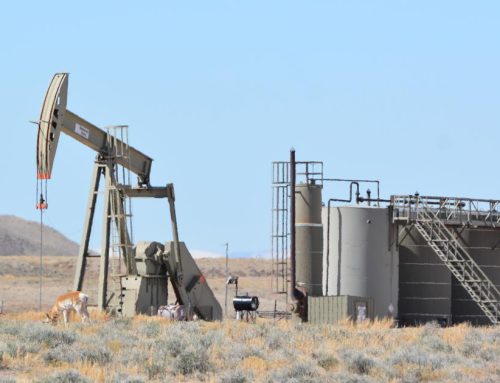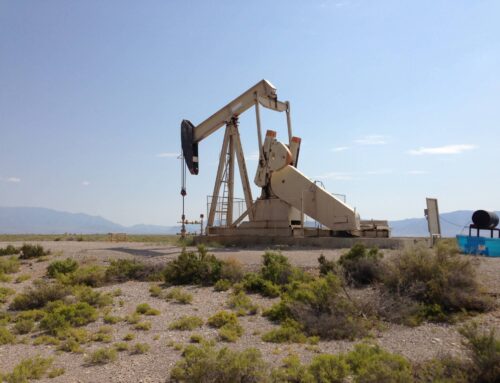

On July 23, Rep. Neguse (D-CO) and Sen. Lujan (D-NM) introduced the Local Input Act, which would require the Department of the Interior to meaningfully involve the public and State, Tribal, and local government officials before determining whether to offer certain parcels of federal land for oil and gas leasing.
Taxpayers for Common Sense Vice President Autumn Hanna issued the following statement:
Federal lands and mineral resources belong to American taxpayers. The federal government is charged with managing them responsibly and ensuring a fair return from their development. Local communities provide valuable input into this process, helping ensure the right lands are leased, developed, and managed for their highest and best use.
Background:
Federal taxpayers own mineral resources across the United States, including a 700-million-acre onshore subsurface mineral estate. The Bureau of Land Management (BLM), within the Department of the Interior (DOI), manages the development of those publicly owned resources by leasing land to private companies to extract oil and gas for profit and sale to the public. Too often, this process results in parcels being leased but never developed, tying up public lands while generating little revenue for taxpayers. When development does occur, inadequate bonding can also leave taxpayers and local communities responsible for cleanup if wells are abandoned.
The Local Input Act would require “meaningful involvement” by the public and State, Tribal, and local government officials before determining whether to offer a parcel for oil and gas leasing. This would include, at a minimum:
- Public disclosure of:
- The proposal to lease the parcel;
- An analysis of the parcel’s expected surface and subsurface resources; and
- An analysis of other potential uses of the parcel, including any uses identified in the applicable land use plan.
- An opportunity for public comment
- Consideration of input from the public, state and local governments, and federally recognized Indian Tribes
Federal lands belong to the American people and offer multiple, valuable uses, including recreation, conservation, and the development of mineral and energy resources. These lands should be managed in a way that provides the greatest return to federal taxpayers and local communities while protecting their long-term value for future generations.
A persistent issue in the federal onshore oil and gas leasing system is the push to offer as much land as possible for oil and gas development, regardless of industry interest, development potential, or alternative land uses. The record shows that as more land is offered, a smaller percentage of the acreage made available is leased. And, in the cases that it is leased, land is often sold at rock-bottom prices. This also allows more public lands to remain tied up for years in nonproducing leases, generating little revenue while preventing other productive uses.
Public input is an important step in determining the best uses of public lands and ensuring that federal lands offered for oil and gas development are more likely to provide federal taxpayers with a fair return.
###
About Taxpayers for Common Sense:
Taxpayers for Common Sense is a nonpartisan budget watchdog committed to eliminating wasteful spending and promoting fiscal transparency and accountability.