Today, Senator Michael Bennet (D-CO) introduced the Stop Orphaned Wells Act, which would provide necessary reforms to outdated and insufficient oil and gas bonding policies.
Taxpayers for Common Sense Vice President Autumn Hanna issued the following statement:
“Taxpayers for Common Sense applauds Sen. Bennet for introducing legislation to reform oil and gas bonding and hold operators accountable. Bonding reforms need to move forward, not backward. Setting bonding rates that more closely reflect the actual cost of cleanup is a critical step toward protecting taxpayers and ensuring companies pay to clean up the wells they leave behind on public land.”
Background:
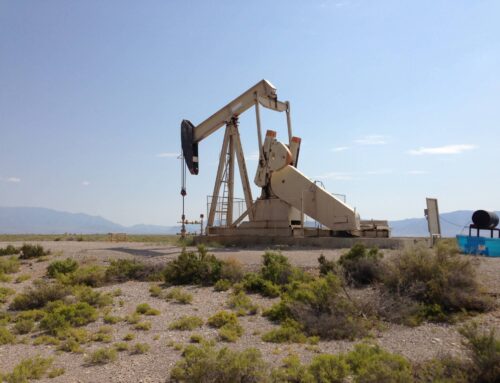
The Bureau of Land Management (BLM), within the Department of the Interior (DOI), leases federal land to private entities to develop oil and gas resources from the federal mineral estate. These federal lands are entrusted to operators for responsible development. When a well is no longer producing, operators are required to plug the well and restore the surrounding site to a condition equal to or closely approximating its original state, a process known as reclamation. Sometimes, however, an operator dissolves or goes bankrupt before fulfilling those obligations, leaving behind what is known as an orphaned well. To protect taxpayers from these costs, the Mineral Leasing Act requires BLM to obtain financial assurances, typically in the form of a bond, before drilling begins. Those bonds can be used to pay for future cleanup and reclamation if an operator fails to do so.
This is not a fee. It is insurance. Once a well is properly reclaimed, the full bond amount is returned to the operator. But if a well is abandoned, BLM uses the bond to cover reclamation costs. When the bond amount falls short of the actual cleanup cost, taxpayers are then left to cover the remaining costs.
BLM currently accepts two types of bond coverage: a minimum of $150,000 for an operator’s wells on an individual lease and a minimum of $500,000 for all of an operator’s wells within a single state. These minimums took effect in June 2024. Prior to the 2024 updates, federal oil and gas bonding minimums had not been adjusted in more than 60 years and often failed to cover the full cost of well reclamation. In 2023, BLM reported that the average bond coverage was just $3,873 per well, or about 5 percent of the estimated $71,000 reclamation cost.
A proposed rule released in June 2026 would reverse the 2024 updates and restore the previous minimums of $10,000 for an individual lease and $25,000 for statewide coverage. Those outdated bonding levels are far too low to cover the cost of reclaiming abandoned wells, leaving taxpayers exposed when operators fail to meet their cleanup obligations. Low bonding requirements give operators even less incentive to meet their reclamation obligations because forfeiting the bond can be cheaper than cleaning up the site. It is estimated that the proposed rollback would increase taxpayers’ exposure to $6.2 billion in future cleanup liabilities for current wells on public lands.
This legislation would increase minimum financial assurance requirements and implement other taxpayer protections to better ensure operators, not the public, bear the cost of reclaiming abandoned wells. Modernizing federal oil and gas bonding requirements to better reflect the actual cost of reclamation is a necessary step toward holding companies accountable for cleaning up the public resources they develop, so communities do not bear the cost of cleaning them up.
- Photo by JJ Gouin, Adobe Stock