Oil and Gas Leasing in the Arctic National Wildlife Refuge
1. THE FIRST OIL AND GAS LEASE SALE IN THE ARCTIC REFUGE SOLD LESS THAN HALF OF THE 1 MILLION ACRES OFFERED, WHILE THE SECOND SALE RECEIVED NO BIDS
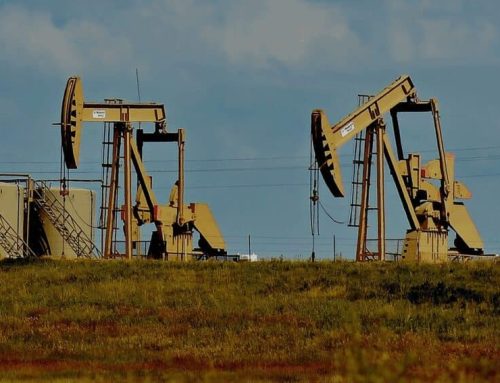
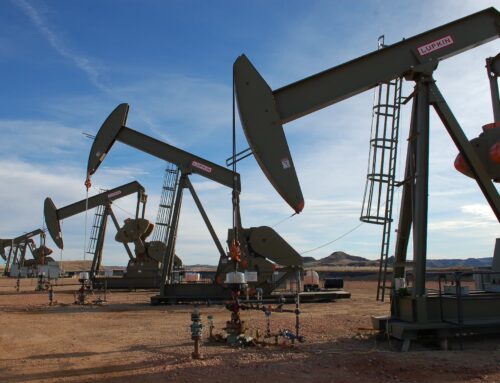
On January 6, 2021, the Department of the Interior (DOI) held the first auction for leases to develop oil and gas in the Arctic National Wildlife Refuge (ANWR). Of the 1.1 million acres available, only 440,000 acres eventually sold. On January 8, 2025, the DOI announced it had received no bids for the second federal lease sale, which offered 400,000 acres.
2. PROPONENTS OF OIL AND GAS DEVELOPMENT IN THE ARCTIC REFUGE PROMISED $1 BILLION IN FEDERAL REVENUE – BUT TAXPAYERS RECEIVED LESS THAN 1% OF THAT
Oil and gas leasing in the Arctic Refuge was authorized by the 2017 Tax Act to generate $1 billion in revenue. The first lease sale—the only one that attracted bids—generated just $8.2 million for federal taxpayers. After two companies later rescinded their leases, federal receipts dropped further to $6.7 million.
3. THERE IS LITTLE INDUSTRY INTEREST IN EXPLORING AND DEVELOPING OIL AND GAS IN THE ARCTIC REFUGE
Only two private companies participated in the first ANWR lease sale, both of which rescinded their leases in 2022. Two other companies, Chevron and Hilcorp, exited their existing claims in the Arctic Refuge’s nonfederal lands in 2021. Exxon Mobil also informed investors it has no plans to pursue exploration activities in ANWR. Additionally, major U.S. and international financial institutions—including Wells Fargo, Goldman Sachs, Morgan Stanley, Citibank, and Chase—and numerous insurance companies have pledged not to finance or insure oil development in the Arctic Refuge.
4. FEDERAL TAXPAYERS COULD EXPECT TO RECEIVE BETWEEN $3 MILLION AND $30 MILLION IN TOTAL REVENUE FROM FUTURE OIL AND GAS LEASE SALES IN THE ARCTIC REFUGE
Taxpayers for Common Sense (TCS) conducted an in-depth analysis of potential federal revenues from new oil and gas lease sales in ANWR using lease sale data spanning the past two decades. Applying the 20-year state and federal bid average in Alaska’s North Slope, our analysis projects future federal revenues from ANWR lease sales at between $3 million and $30 million.
5. TAXPAYERS RISK GREATER LOSSES IF LEASING IN THE ARCTIC REFUGE CONTINUES
Drilling in ANWR poses logistical challenges with high environmental risks that taxpayers may be forced to shoulder. Hunters and anglers rely on the Arctic Refuge’s habitat, which is home to migrating caribou, nesting waterfowl, and fish species like Arctic char and Dolly Varden trout. The outdoor industry provides stable jobs and reliable revenue for Alaskan communities —benefits that are threatened by oil and gas development in a remote and sensitive area.