
It can be difficult to prevent waste, fraud, and abuse in federal programs that award billions of dollars each year. That challenge becomes even greater as programs grow larger and more complex. That’s why it is important for agencies to not only have safeguards in place, but to document regular routines and systems to assess and manage risk from the outset.
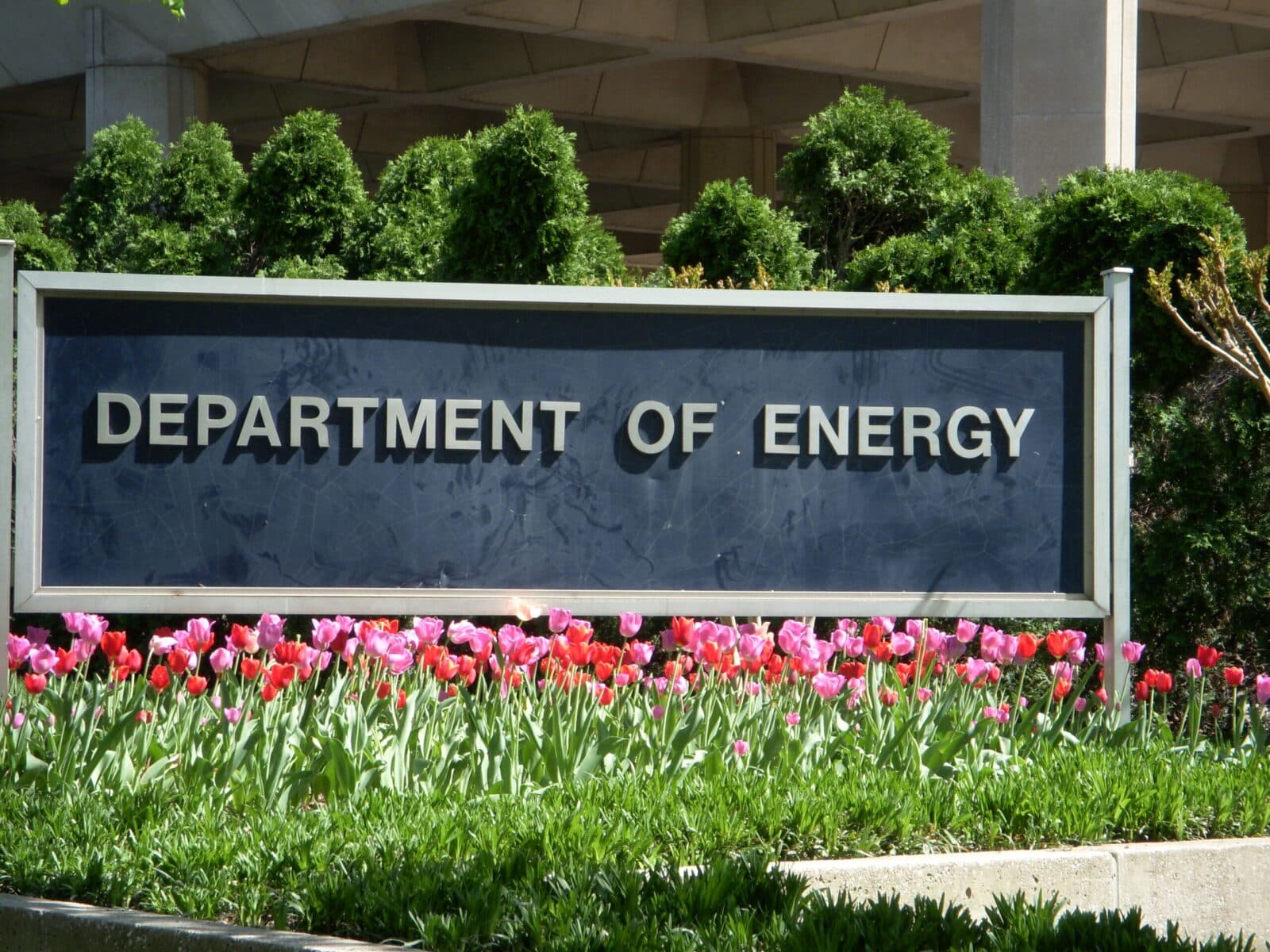
One such program that TCS has raised previous concerns with, the Regional Clean Hydrogen Hubs (H2Hubs) program, was recently analyzed by the Government Accountability Office (GAO), Congress’s nonpartisan watchdog.
In the report, which looked at several programs, GAO identified nine requirements and leading practices to oversee and prevent fraud, waste, and abuse. The H2Hubs program failed to meet four of these requirements and only partially met one. Specifically, GAO found that H2Hubs:
- Failed to document a program-specific risk assessment
- Failed to document an antifraud strategy
- Failed to document procedures for collaborating with stakeholders and creating incentives to help ensure effective implementation of the antifraud strategy
- Failed to document risk-based monitoring and evaluation activities
- Partially met requirements to maintain agencywide and program-specific risk profiles.
In several cases, GAO noted that the Department of Energy (DOE) described informal or ad hoc practices, but had not documented them in program policies and procedures. As GAO makes clear, undocumented controls leave fraud prevention efforts dependent on staff discretion rather than institutional safeguards.
DOE officials also told GAO that they believed a project-level fraud risk policy would be “an inefficient use of resources” at this time because H2Hubs has only recently issued awards, and that, as a new program, “officials did not know how to implement [the] nine identified requirements and leading practices.” GAO rejected this rationale, emphasizing that proactive fraud risk management is intended to support, not hinder, program goals and that program managers remain responsible for safeguarding taxpayer dollars regardless of a program’s age.
This report aligns with a DOE Office of Inspector General (OIG) year-long investigation of the program, which warned that the Department failed to complete required risk assessments, including reassessing program risks as the program grew from a planned $14 billion portfolio to a $50 billion portfolio. Per OIG, DOE conducted risk assessments “at the selectee level” but failed to perform a broader programmatic risk assessment. It also failed to conduct comprehensive risk reassessments over time, instead monitoring only known risks and failing to account for new and emerging ones.
GAO’s investigation of the H2Hubs Program has two important implications for taxpayers.
First, the lack of rigorous, documented risk assessments within DOE demonstrates the importance of having safeguards in place to ensure that taxpayer resources are used appropriately. Without documented risk assessments, antifraud strategies, and monitoring procedures, DOE lacks assurance that taxpayer dollars are being protected as intended. For a program of this scale and complexity, that absence materially increases the risk of waste and future cost overruns.
GAO does not conclude that fraud has already occurred. But disbursing large amounts of funds in a hasty manner without proper risk management, as DOE has done, significantly increases the likelihood that taxpayer dollars will be expended on unrealistic vanity projects that ultimately do not come to fruition. Without oversight, this outcome is even more likely.
Second, the investigation itself demonstrates the importance of GAO and other oversight organizations. TCS has previously highlighted Congress and the administration’s efforts to curb GAO and OIG offices—including through firings, political pressure, and slashed budgets. Without fully funded and independent watchdogs, Congress loses one of its few tools for identifying structural weaknesses early—before problems surface as failed projects, emergency bailouts, or wasted taxpayer dollars.
TCS has long been critical of federal subsidies for hydrogen and has previously called on the Department of the Treasury and the Internal Revenue Service to ensure greater accountability and transparency in implementation of the 45V tax credit. There must be more scrutiny and accountability in the management of taxpayer-subsidized hydrogen programs, as this latest report confirms, to ensure that taxpayer dollars are being used effectively and efficiently—and that basic oversight is built in from the start rather than retrofitted after billions are already committed.
Related Posts





Recent Content
President's Budget FY2027