
The Administration’s attack on U.S. produced wind power blew in a bizarre direction this month with its latest attempts to redo the project approval process, even for a project already supplying power. As U.S. electricity demand continues to grow, abandoning domestically produced energy sources that are free from global commodity price disruptions hurts American consumers and households. We all benefit from a robust, diverse, and affordable energy market. Using taxpayer dollars and federal authority to arbitrarily push a source of domestic energy out of the market is a particularly bad deal for taxpayers.
Recent court filings involving four offshore wind projects are the most recent effort from the Administration to upend offshore wind projects. The Department of the Interior, the agency in charge of the federal offshore wind program, had previously approved construction permits for these projects after multi-year reviews. Instead of defending the permit decisions, the Administration is piggybacking on outside groups’ lawsuits and asking the courts to send the previously government-approved construction permits back to the Interior for a “do-over,” looking to use this as an opportunity to stop the projects the agency once authorized.
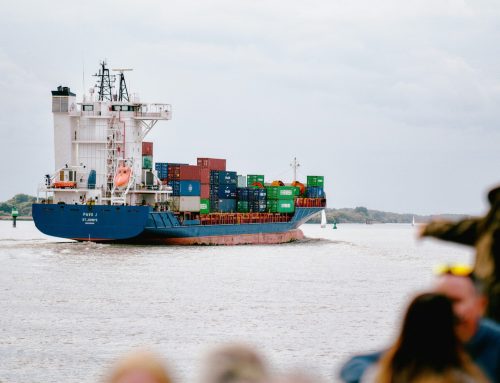
And this reconsideration of construction permits would even involve a project that has already finished construction and has already been supplying electricity to the grid since March. Revolution Wind, a 704-megawatt project off Rhode Island, is expected to generate enough electricity to power 350,000 homes in Rhode Island and Connecticut annually. The project has already been halted twice by the Administration but both times courts blocked the orders and allowed construction to continue. Now the Justice Department is using another lawsuit filed by project opponents in 2024 to reopen the permit approval after the project has already finished construction.
The Justice Department has filed similar requests to reexamine approvals for U.S. Wind’s Maryland project, the Atlantic Shores project off the coast of New Jersey, and Avangrid’s New England project off the coast of Massachusetts.
The strategy is clear: erect numerous administrative and legal hurdles to create a bureaucratic purgatory, making projects harder to finance and build, so the private sector abandons even trying.
The move to reexamine construction permit approvals is only one of the many ways the Administration is creating headwinds for existing and planned offshore wind projects.
The first was the day-one leasing and permitting freeze. The Administration directed federal agencies to “not issue new or renewed approvals, rights of way, permits, leases, or loans” indefinitely while examining whether existing offshore wind leases could be terminated or amended. A federal court struck down the permitting freeze and blocked the Administration from canceling existing offshore wind leases. But, despite the court orders, no new permits have been issued since 2025. And, notably, the court order did not address the Administration’s decision to withdraw all federal waters from being leased for wind development — effectively preventing future lease sales.
Next came direct shutdown orders targeting projects that had already acquired permits. The Administration stopped work on Empire Wind in April 2025, citing concerns about its environmental review, and Revolution Wind in August 2025, citing vague national security concerns. The courts have allowed both Empire Wind and Revolution Wind to resume construction. Then, in December, the Administration suspended offshore work on five large-scale offshore wind projects under construction, citing national security concerns involving radar interference. That action halted Empire Wind and Revolution Wind for a second time and extended the shutdowns to Coastal Virginia Offshore Wind, Sunrise Wind off the coast of New York, and Vineyard Wind off Massachusetts. Developers challenged the December suspensions in court, and, in February, all five projects were allowed to resume construction.
As federal courts blocked the outright cancellation of leases, the Administration pivoted to another strategy beginning in March—lease buyouts. Our recent report details how Interior would pay up to $3.9 billion to cancel 12 offshore wind leases and refund developers’ lease payments in exchange for investments in “conventional” energy projects, mostly oil and gas. Negotiating with an Administration actively working to unwind offshore wind projects, companies including TotalEnergies, Bluepoint Wind, Golden State Wind, Invenergy, Duke Energy, and RWE agreed to cancel the leases they had previously won at competitive auctions—leases that already put cash into the Treasury—and walk away from their projects at various stages of development. Projects on these 12 leases were expected to generate enough electricity to power 6.6 million households.
But even multi-billion-dollar buyouts weren’t enough. The latest court proceedings to reopen permit approvals serve as yet another deterrent for investors and developers to finance and build offshore wind projects. Not only is there no new leasing for prospective developers, but ongoing projects are also under threat. Even delivering electricity does not put a project beyond the administration’s reach.
And who pays for all this chaos? Taxpayers, of course. We foot the bill for the extra rounds of redundant agency reviews. We pay for the lease cancellations. We forfeit the future revenue these projects could have generated for the Treasury. And as electricity demand continues to grow, putting the brakes on power projects already built or ready-to-build pushes the entire country in the wrong direction.
Using taxpayer dollars and federal regulatory authority to systematically punish one domestic energy source in favor of another does not benefit Americans. What we really need is a robust, affordable, and diverse grid that can reliably deliver power to all U.S. households. Blocking new electricity supply risks increasing costs for taxpayers and consumers down the road. What’s gone with the wind isn’t just the prospect of enough electricity to power millions of households. It’s as much as $3.9 billion in taxpayer dollars committed to cancellations, millions more in lost future revenue, and any semblance of regulatory certainty for American energy development.