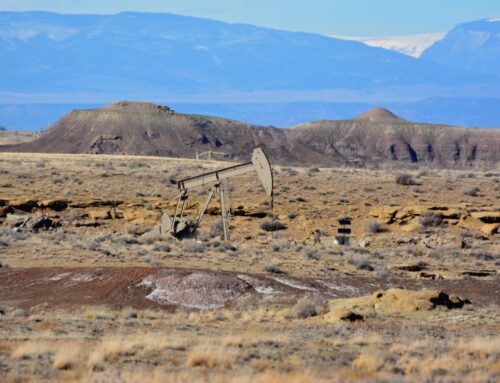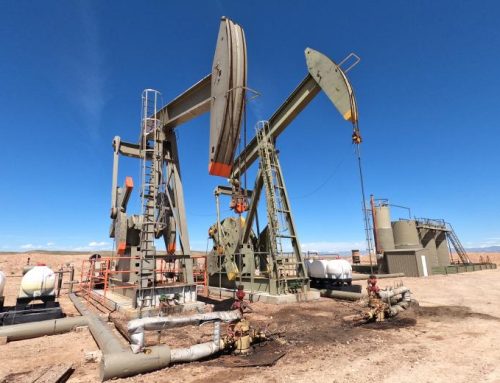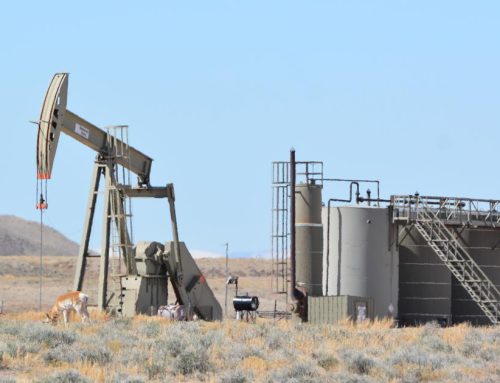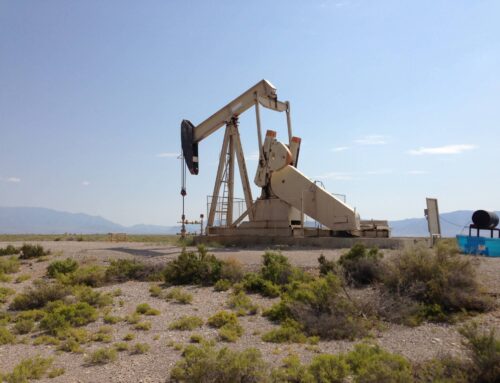
On December 3, the federal government leased 53,119 acres of public land in Wyoming for oil and gas development at the recently reduced federal royalty rate of 12.5%. The result is an estimated $30 million in lost royalty revenue over the lifespan of these leases.
America's public lands and natural resources belong to taxpayers and must be managed responsibly. Taxpayers lose when the federal government leases our federal lands at rock bottom prices to private companies who extract and sell the oil and gas for their own profit.
For decades, the federal oil and gas leasing program lagged behind the private market and rates charged on state lands. Outdated terms hadn't even kept pace with inflation. In 2022, long-overdue reforms modernized the system by raising royalty rates, updating fees, and ending giveaways like noncompetitive leasing. But this summer, the One Big Beautiful Bill Act (OBBBA) rolled back many of those improvements—slashing the federal royalty rate from 16.67% back to its 1920s rate of 12.5% and reinstating a loophole allowing companies to bypass competitive auctions. Once again, taxpayers are being shortchanged as companies lock in decades of drilling under terms that don't reflect the true value of America's oil and gas resources.

Today's lease sale offered 86 parcels of land, covering nearly 80,00 acres of federal land across 11 Wyoming counties, for oil and gas development. The sale leased just 67% of available acreage, making it subject to the OBBBA provision requiring a replacement sale—which is triggered when a quarterly lease sale receives bids on fewer than 75% of the acres offered.
Revenue from today's lease sale was driven by a small number of competitive parcels. Just 7 parcels, containing 7% of the acres leased today, provided nearly 50% of total auction revenue. These parcels—predominantly in Converse and Campbell counties, which account for the majority of federal oil production in Wyoming—were each leased for more than $1,000 per acre. The highest bid of today's sale was $5,151per acre for a parcel located in Campbell County. By contrast, nearly 20% of acres were sold at the minimum bid of $10 per acre.
Today's high average bid reflects that industry interest is aligned with production potential—not leasing terms. Last year, before the reforms were rolled back, leases that came with the higher 16.67% royalty rate sold for record high bids—five times higher than the pre-reform 10-year average—especially in states with high oil and gas production, such as New Mexico. Unfortunately for taxpayers, the leases issued today were sold at the outdated 12.5% rate, locking in a century-old rate for decades.
Competitive, market-rate royalty rates do not affect industry interest or production decision—lowering rates only shortchanges taxpayers by reducing future royalty revenue. In Wyoming alone, taxpayers lost an estimated $3.6 billion in revenue from FY2013 to FY2022 under the 12.5% rate. With record-high production across the U.S., losses will continue or even grow worse. Because revenue is shared between the federal treasury and states, Wyoming taxpayers will also lose funds for schools, infrastructure, and other local priorities.
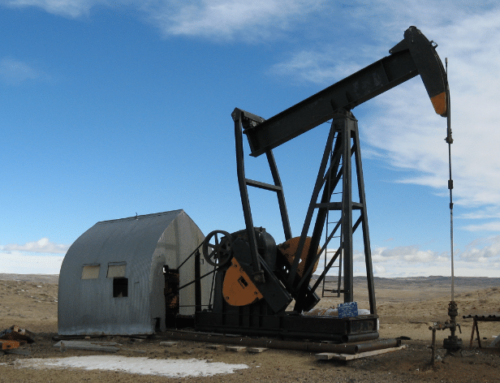
The Bureau of Land Management estimates that the parcels sold today will result in roughly 182 wells. Using average production on federal lands in Wyoming over the last decade, these parcels could yield 290,000 barrels of oil and 7.7 billion cubic feet of natural gas every year of active production. Based on the White House Budget Office's 2025 price projections—used to estimate federal royalty revenue from onshore leases—that production could be worth roughly $72 million annually. At the 12.5% rate, taxpayers would see about $9 million each year—$3 million less than they would under a 16.67% rate. Over a conservative 10-year lifespan, that's about $30 million in lost revenue.
Today's lease sale adds to mounting losses under the outdated 12.5% rate. TCS calculates that taxpayers have already lost $397 million in projected revenue from leases sold since July 4, 2025, due to the reduction of the federal onshore royalty rate.
Wyoming plays an important role in American energy production. But taxpayers should not be shortchanged. The oil and gas developed on federal lands belongs to the American people, and leasing terms should ensure these resources aren't given away for less than they're worth.