Contact:
Ike Obi
media@taxpayer.net
WASHINGTON, D.C., June 16, 2026 — A new analysis by Taxpayers for Common Sense (TCS) finds that federal and Colorado taxpayers missed out on an estimated $937 million in royalty revenue over the last decade because the federal government charged below market royalty rates on oil and gas produced from public lands in the state. At the same time, if outdated federal bonding rules return, taxpayers could face approximately $518 million in unrecovered cleanup costs from currently producing wells in Colorado.
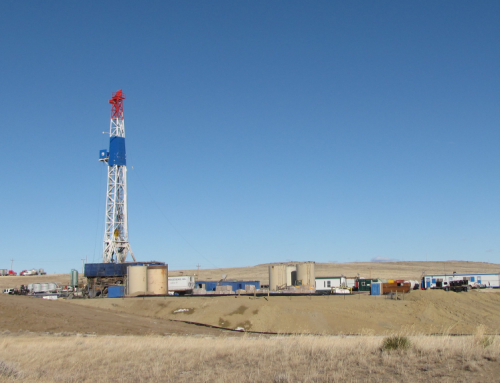
The report, Oil and Gas Drilling on Federal Lands Costs Colorado, examines a decade of oil and gas production on the 2 million acres of federal land currently leased in Colorado and documents how outdated federal leasing policies have reduced public revenues while exposing taxpayers to significant financial risks.
From 2015 to 2024, $14.9 billion worth of oil and gas was produced from federal lands in Colorado. During most of that period, the federal government charged a 12.5 percent royalty rate, far below the rates charged by Colorado and other major producing states. Had an 18.75 percent royalty rate been applied, federal and Colorado taxpayers would have collected an estimated $937 million more in revenue. Because federal royalties are shared with producing states, nearly half a billion dollars of that foregone revenue would have flowed directly to Colorado.
Congress raised the federal royalty rate to 16.67 percent in 2022 but lowered it back to 12.5 percent in 2025. Production continued under both rates. Companies invested, drilled, and bid in lease sales. The only difference was how much value taxpayers received from resources produced on public lands. This report echoes concerns recently raised by the Colorado Department of Natural Resources, which warned that lower federal royalty revenues could worsen the state’s existing budget challenges and reduce funding available to local governments, schools, and water conservation programs.
Taxpayers also face potential liabilities after production ends. At the end of Fiscal Year 2025, there were 7,722 producing oil and gas wells on federal lands in Colorado. Prior to the 2024 bonding reforms, the federal government held an average of just $3,873 in bond coverage per well, covering only a fraction of estimated reclamation costs. The current standards were designed to ensure companies set aside enough money to plug wells and restore sites, reflecting reforms Senator Bennet pushed for years and in line with how Coloradans believe public resources should be managed. If those outdated bonding standards return, taxpayers could be exposed to roughly $518 million in potential cleanup costs from currently producing wells.
“When companies produce oil and gas—taxpayer owned oil and gas—from public lands, taxpayers are owed a fair return,” said Autumn Hanna, Vice President of Taxpayers for Common Sense. “Yet Colorado taxpayers have lost hundreds of millions in revenue from below market royalty rates and could still face hundreds of millions in cleanup liabilities if outdated bonding requirements return.”
Colorado is the third largest federal natural gas producing state in the country. Over the past decade, it accounted for 15.7 percent of federal natural gas production and 2.0 percent of federal oil production. At the end of FY2025, 2.0 million acres of federal land in Colorado were leased for oil and gas development, with nearly three quarters of that acreage actively producing. An upcoming lease sale plans to offer more than 150,000 acres for new oil and gas development — land that, if leased, would be locked into below-market royalty terms for the life of production.
###
Taxpayers for Common Sense is an independent, nonpartisan budget watchdog serving the American taxpayer since 1995. Learn more at www.taxpayer.net.