
August recess is here. The House has headed home and the Senate isn’t far behind. Lawmakers will spend the next several weeks meeting with constituents, holding town halls, and recharging before returning for what promises to be another chaotic fall.
The remarkable thing isn’t how much Congress has left to do. It’s how much of that work has been waiting for months, or even years. Congress isn’t leaving town after finishing its work. It’s leaving after deciding to finish it later.
That has become one of Congress’s defining habits. Deadlines don’t spur action. They simply set the date for another temporary extension, another continuing resolution, another promise to deal with the hard choices next time.
Take appropriations. Funding the government is Congress’s most fundamental responsibility. The House has at least begun the process, reporting all twelve appropriations bills from committee and passing several on the floor. The Senate has yet to move a single appropriations bill out of committee. Neither chamber is close to completing all twelve bills before the fiscal year ends.
Congress hasn’t completed the appropriations process on time in decades. Annual spending bills were once the mechanism for setting priorities. Increasingly, they have become another item on the list of decisions Congress postpones until a continuing resolution or year-end package becomes unavoidable.
Realistically, another continuing resolution is likely. Sometimes a CR is unavoidable. But it should be a temporary measure to continue government operations while Congress finishes its work, exactly what its name implies. Increasingly, though, continuing resolutions have become substitutes for doing the work in the first place.
That temptation only grows stronger as the 2026 midterm elections approach. Tough compromises become harder when every vote is viewed through a campaign lens, and kicking decisions into the next deadline can seem politically easier than resolving them. But the calendar doesn’t stop. Every postponed decision simply adds to the pile waiting when Congress returns, or worse, after the election.
And it’s not just appropriations. The National Flood Insurance Program once again faces another expiration deadline. Congress has repeatedly extended the program rather than completing the difficult work of modernizing it. That leaves homeowners, lenders, and communities wondering whether the program will continue while delaying reforms that would better align premiums with flood risk and address affordability in a transparent way.
Surface transportation tells a similar story. Five years after Congress approved the Infrastructure Investment and Jobs Act, lawmakers are approaching another major authorization deadline without resolving the Highway Trust Fund’s underlying financial problems. Congress has repeatedly transferred tens of billions of dollars from the Treasury’s general fund to keep the trust fund afloat instead of confronting the mismatch between promised spending and dedicated revenues. The next authorization should be an opportunity to address that imbalance, not simply extend it.
Then there’s the Farm Bill. What should be Congress’s primary vehicle for agricultural policy has instead become a series of temporary extensions and stopgap measures. Producers deserve certainty. Taxpayers deserve a bill that focuses on agriculture, reins in costly subsidies, and improves accountability instead of preserving outdated policies because they are politically easier to extend than reform.
Congress has become remarkably good at extending policies it cannot agree to reform. A continuing resolution delays appropriations decisions. A Farm Bill extension delays agricultural reforms. Another NFIP reauthorization delays modernization. Highway Trust Fund transfers postpone difficult conversations about how transportation should be financed. Avoidance becomes policy.
The danger is that temporary fixes stop being temporary. Every extension lowers the pressure to solve the underlying problem.
The political calendar only reinforces those incentives. As campaigns ramp up, difficult compromises become even less attractive, and the temptation to simply punt until after the election grows stronger. But January doesn’t offer a clean slate. It requires a restart. When the 119th Congress adjourns, every unfinished bill dies with it. Work on the Farm Bill, surface transportation, appropriations, and countless other priorities doesn’t resume where it left off. It starts over.
Over time, this changes Congress itself. Instead of governing through regular order, lawmakers increasingly govern through deadlines. Floor time is consumed by avoiding crises rather than solving problems, and the biggest decisions migrate into year-end negotiations where transparency, deliberation, and accountability are in short supply. Congress doesn’t just postpone decisions. It postpones oversight, reform, and the difficult conversations that only Congress can have.
Congress will return in September with another opportunity to break that cycle. Taxpayers shouldn’t expect perfection. They should expect Congress to stop treating temporary extensions as a permanent governing strategy. The deadlines ahead are not surprises. They’re responsibilities Congress has known about for years. It’s time to stop governing as though “we’ll deal with it later” is a policy.
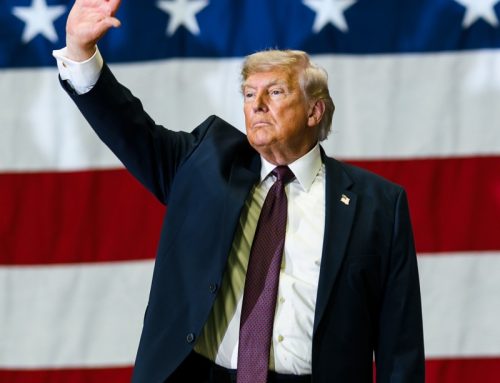
- Photo by Julien Gaud on Unsplash