
It’s not often that Weekly Wastebasket readers get to hear about smart budgeting practices. But one worth noting—and that we could be at risk of losing—is the wildfire funding fix.
As unpredictable as fires are, we know they are coming and so we must budget for them. Enter the wildfire funding fix.
In 2018 Congress created the Wildfire Suppression Operations Reserve Fund, known as the funding fix, to bring a little budget sanity to the unpredictable, increasingly costly wildfire problem. The funding fix allows the U.S. Forest Service (USFS) and the Department of the Interior (DOI) to tap into a separate reserve fund when their regular suppression funding runs out. But the fund is only authorized through FY2027, and Congress is blazing a trail toward a fiscal cliff if it doesn’t take action to reauthorize.
To understand why the Funding Fix is so important, one must look at the mess that existed before it. When the USFS and DOI, the main federal agencies in charge of managing wildfires, ran out of their regular suppression funds during a particularly bad fire year, they had to seek emergency supplemental appropriations from Congress and, in the meantime, resort to “fire borrowing,” raiding funds from other accounts to cover immediate suppression costs.
Our regular readers know that we, as a budget watchdog group, have been wary of the use of emergency supplemental appropriations, which has too often become standard practice for non-emergency needs. Because nobody wants to vote against emergency funding when disasters strike, supplemental bills are a prime target for lawmakers looking to hitch their non-emergency pet projects to a moving legislative vehicle. Emergency supplemental appropriations bills can also get weighed down and take time to pass.
And more often than not, agencies like the USFS had to resort to fire borrowing to meet immediate suppression needs when suppression funding is depleted.
Fire borrowing shifts money away from where Congress originally intended it to go. In 2018 alone, the USFS redirected a staggering $720 million from non-fire programs. Draining funds from other priorities makes it harder for USFS and DOI to manage our public lands and national forests responsibly. And when funding for forest management, restoration, and other programs that can reduce future wildfire risk is instead used to pay to put out fires today, it perpetuates a vicious cycle of ever-growing future suppression costs due to underfunding risk mitigation work.
The Reserve Fund is better budgeting that breaks this cycle. It is a two-part set up: consistent funding through regular appropriations for wildfire suppression—and a dedicated pot of money for use when suppression costs exceed that baseline amount.
This setup provides agencies with greater predictability to develop multi-year spending plans and make long-term investments, rather than constantly scrambling for cash year to year. It allows for better resource allocation and more effective and efficient spending of taxpayer dollars.
The Reserve Fund isn’t a silver bullet. There are other, much needed reforms to federal wildfire policy and spending. We need increased transparency on how much money the federal government spends on wildfires, where those dollars are going, and how they are making a difference. We need to lower rising suppression costs, including through a greater emphasis on investments that reduce wildfire risk, harden infrastructure, and make communities more resilient. And we need to make sure communities can quickly and easily access the resources they need to recover.
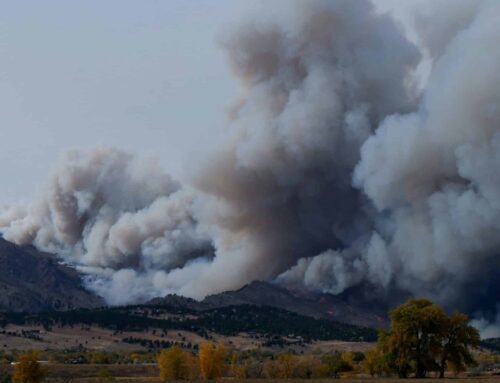
The latest numbers are in—2026 is on track to be the biggest fire season in a decade. Wildfire “season” is no longer confined to the hot, dry summer months; it’s a year-round threat that costs taxpayers and communities billions of dollars.
The Fire Funding Fix isn’t just about fighting fires; it’s about responsible and smart budgeting. We know the fires will return, and we need a rainy day fund for when they do. The only question is whether Congress will have the common sense to reauthorize the Reserve Fund before our wallets get burned.
- Photo by Nina Mercado on Unsplash