
The Highlights
- Third oil and gas lease sale in Montana this year.
- The auction offered and leased one parcel totaling 160 acres for oil and gas development.
- The parcel received only the minimum bid of $10/acre allowed by federal law.
- TCS estimates that taxpayers will lose $61,887 in royalty revenue from future production on this single lease, adding to more than $1.7 billion in projected losses nationwide from leases sold since royalty rates were reduced in July 2025.
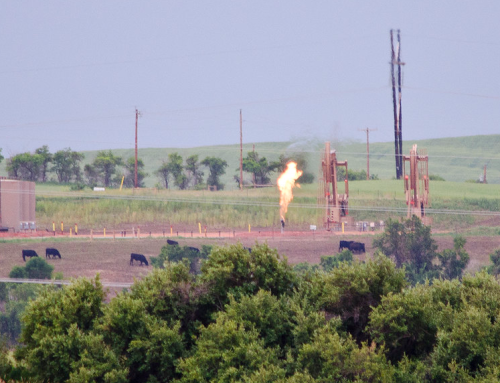
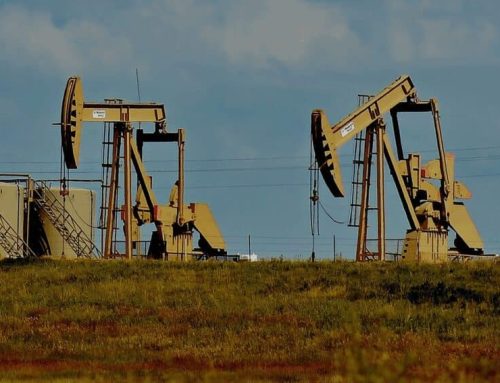
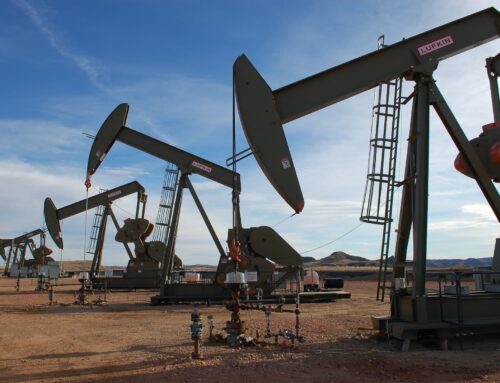
On October 27, the federal government offered and leased 160 acres of public land in Montana for oil and gas development at the recently reduced federal royalty rate of 12.5%. The sale was held alongside an auction in North Dakota that offered and leased 3,227 acres of public land for oil and gas development.
Based on projected production, taxpayers stand to lose an estimated $61,887 in royalty revenue from the Montana lease compared with the previous 16.67% rate. This adds to mounting projected losses. TCS estimates that taxpayers will forego more than $1.7 billion in royalty revenue from leases sold since July 4, 2025, when the onshore royalty rate was reduced to 12.5% – below what state and private landowners typically charge.
Results from Today’s Lease Sale

Today’s sale offered and leased a single 160-acre parcel in Musselshell County. Among Montana’s 22 oil-producing counties and 21 natural gas-producing counties in 2025, Musselshell ranked fourth lowest in both oil and gas production. The parcel was leased for $10 per acre, the legal minimum. Beyond the minimum bid, the lease also locks in a below-market royalty rate, shortchanging taxpayers on any future oil and gas production.
Millions in Potential Taxpayer Revenue Lost
Lowering royalty rates shortchanges taxpayers by reducing future royalty revenue. In Montana alone, taxpayers lost an estimated $117 million from 2016-2025 under the 12.5% rate originally set in 1920. Because federal mineral revenues are shared between the federal Treasury and states, these losses also mean less funding for Montana’s schools, infrastructure, and other local priorities.
Montanans and taxpayers nationwide do not have to lose this valuable revenue. Competitive, market-based royalty rates have not prevented strong industry bidding. In fact, lease sales in Montana received strong bids under the higher 16.67% royalty rate, including several parcels that sold for over $10,000 per acre. Average bids in Montana under the 16.67% rate were approximately $2,300 per acre, much higher than the average of $33 per acre over the previous decade.
The same pattern held nationwide. Average bids in 2023 and 2024 ($978 and $2,149 per acre, respectively) exceeded the average from 2013 through 2022 ($379 per acre). Today’s minimum bid on a parcel in a county with historically low production underscores that a lower royalty rate does not guarantee higher bids. Production potential remains a key factor in companies’ leasing decisions.
The Bureau of Land Management (BLM) estimates that the parcel leased today could ultimately produce 22,151 barrels of oil over its productive life. Based on the White House Office of Management and Budget’s FY2026 price projections, which are used to estimate federal royalty revenue from onshore leases, that production could be worth roughly $1.5 million. At the 12.5% royalty rate, taxpayers would receive about $186,000 in royalty revenue, an estimated $61,887 less than they would have received under a 16.67% rate.
Lowering Financial Assurance Requirements Increases Taxpayer Risk
After production ends, oil and gas producers operating on federal land are required to plug their wells and reclaim surrounding sites. To help ensure that producers pay for cleanup, they must post a bond before drilling begins. If a company completes the required cleanup, the bond can be returned. If a company abandons its wells or goes bankrupt, the bond is forfeited and used to help cover reclamation costs.
BLM currently accepts two types of bond coverage: bonds for an operator’s wells on an individual lease carry a minimum of $150,000, while bonds covering all of an operator’s wells within a state carry a minimum of $500,000.
This June, BLM proposed lowering those requirements to their decades-old minimums of $10,000 for an individual lease and $25,000 for all wells in a state. In 2023, these inadequate minimums left average bond coverage at just $3,873 per well, only 5% of the average cost of reclamation.
If outdated bonding requirements return, TCS estimates that the federal government would hold only $9.2 million in financial assurances for the 2,365 oil and gas wells producing on federal lands in Montana. These wells may cost roughly $168 million to reclaim, leaving taxpayers exposed to approximately $159 million in potential future liabilities. Without adequate safeguards, the lease issued today and any future leases on public lands in Montana could add to those liabilities.
Oil and gas resources developed on federal lands belong to the American people. Leasing terms should return fair value to the public and ensure that producers cover their cleanup costs, both in Montana and across the country.