
The Environmental Protection Agency (EPA) is proposing another round of changes to its 2024 rule establishing requirements to reduce methane emissions from oil and gas operations. After delaying implementation and loosening some requirements, the agency now proposes eliminating its Super Emitter Program for investigating large methane releases, reducing safeguards at certain wells, and allowing more gas to be burned rather than captured.
EPA presents these changes as a way to lower costs for operators. But they would weaken safeguards intended to prevent natural gas from being wasted through leaks, deliberate releases, and flaring. EPA’s own analysis projects more pollution under either of its two proposed approaches. Compared with a baseline that incorporates the 2024 rule, the agency estimates an additional 60 million short tons of methane emissions between 2027 and 2050 under its approach for low-producing wells. Its alternative approach for conventional wells would add an estimated 88 million short tons over the same period.
For taxpayers, the concern extends beyond emissions. Natural gas is a valuable resource. When operators waste gas produced from publicly owned resources, federal, state and tribal governments can lose potential royalty revenue. Weaker monitoring and response requirements also raise questions about how much waste will be detected and addressed.
Moving beyond delays to weaker requirements
EPA’s 2024 rule required oil and gas operators to find and repair leaks, restricted routine flaring, and established a process for investigating unusually large methane releases. It set standards for new and modified facilities and directed states to develop plans for existing facilities.
The agency has already delayed implementation of several requirements. In April 2026, it also extended the time operators could temporarily flare gas during certain interruptions and loosened monitoring requirements for flares and other combustion devices.
This proposal would make broader changes to the safeguards themselves. It would eliminate the Super Emitter Program, reduce monitoring and equipment requirements for certain well sites, and allow greater reliance on burning gas instead of capturing it for sale.
Eliminating the Super Emitter Program
EPA proposes eliminating the Super Emitter Program, which addresses methane releases of at least 100 kilograms, or about 220 pounds, per hour. The program created a process for approved outside organizations to report large releases detected through technologies such as satellites and aircraft. EPA reviews those reports before notifying the relevant operator. That notification triggers requirements for the operator to investigate and report its findings.
The proposal would remove that process, including the approval of outside monitoring organizations and technologies and the requirement for operators to respond to program notifications. Other emissions requirements could still apply to a release, but this specific mechanism for requiring an investigation would disappear.
In its latest proposal, EPA questions whether the evidence supporting the program adequately establishes how often these events occur, how long they last and what causes them. It also argues that other emissions requirements make the program less useful. The agency cites difficulties identifying responsible operators, limited participation by outside organizations and concerns about its legal authority. TCS is skeptical but will more thoroughly assess these claims as we prepare comments on the proposed rule.
Reducing requirements for low-producing or conventional wells
EPA is proposing a loophole that would allow operators of certain wells to operate under reduced requirements – the only question is who will qualify. EPA is considering two alternatives:
Marginal Wells: The first is based on production. “Marginal” wells produce no more than 15 barrels of oil equivalent per day, averaged over the previous year. Oil equivalent is a way to express oil and natural gas production in a common unit. To qualify as a marginal well site, all wells at the location would have to be marginal, and their combined production could not exceed that same daily threshold.
Conventional Wells: Broadly, this means a site where all wells draw from deposits that do not require intensive techniques, such as multistage fracking, to produce oil or gas. The conventional-well alternative could apply to sites producing more than the marginal-well threshold.
Under either approach, operators at qualifying sites would still have to inspect every three months using sound, sight, and smell to identify leaks or malfunctioning equipment. For leaks found through those inspections, operators generally would have to attempt a repair within 15 days and complete it within another 15 days, although exceptions could allow delays. The proposal would also allow certain equipment that uses and releases natural gas to remain in service.
Allowing more reliance on flaring
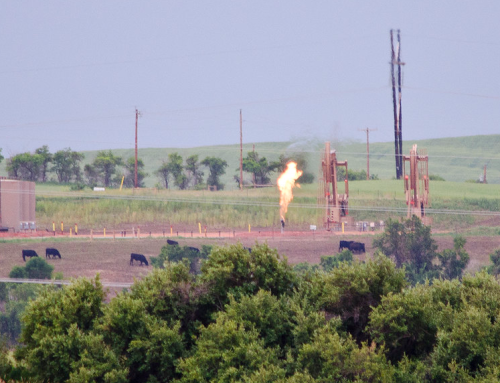
EPA proposes changing the regulatory approach to associated gas, the natural gas produced alongside oil—sometimes unintentionally. Under current rules, EPA rules favor capturing associated gas and delivering it to a sales pipeline, bringing more domestic energy to our homes and businesses. Now, EPA is proposing to favor burning it in a flare or another device that reduces emissions by at least 95 percent. This would make flaring a broader option for meeting the standards.
EPA argues that operators cannot always control access to pipelines and other infrastructure needed to bring gas to market. It says the 2024 rule assumed that infrastructure would become available in time, and that those assumptions have not been borne out. Connecting wells to pipelines can require agreements with other companies, permits and substantial investment.
What EPA counts as savings
EPA estimates that the proposed changes would save operators approximately $2.5 billion a year in compliance costs under the marginal-well approach and approximately $2.3 billion under the conventional-well alternative. These annualized estimates cover 2027 through 2050, are expressed in 2024 dollars, and account for changes in the value of gas recovered. EPA also projects changes in energy production and prices.
EPA projects more methane and other air pollution under either approach. Those estimates do not cover all the proposed changes, including elimination of the Super Emitter Program.
EPA is counting the savings for operators, but taxpayers deserve a full accounting of what more wasted gas and less oversight would cost them.