
On October 27, President Trump announced plans to roll back methane standards for oil and gas companies. EPA's proposed rule would eliminate the Super Emitter Program and weaken requirements to detect leaks and limit waste at oil and gas facilities. These changes would allow more marketable natural gas to be lost rather than captured and sold, putting taxpayer revenue from publicly owned resources at risk.
Autumn Hanna, Vice President of Taxpayers for Common Sense, issued the following statement:
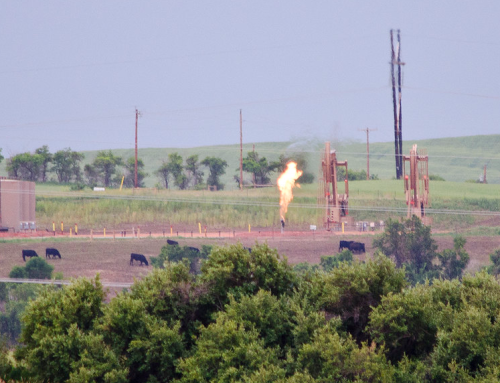
"True energy dominance means getting full value from our energy resources, not squandering them through preventable waste. EPA should be making sure more American natural gas reaches the market instead of going up in smoke.
Methane waste is a lose-lose-lose: it depletes American resources, drains revenue from federal and state budgets, and adds health and safety risks for nearby communities. Weakening common sense methane standards would only make matters worse.
Any proposal that takes us in that direction is fiscally irresponsible and fails taxpayers, American consumers, and local communities."
Background:
In March 2024, EPA published New Source Performance Standards (NSPS) for facilities built or modified after December 6, 2022, and Emission Guidelines (EG) for existing sources that states must incorporate into their State Implementation Plans (SIPs). These common sense measures included:
- Routine Well Monitoring: Operators must regularly check for and repair leaks at well pads.
- Enhanced Leak Detection and Reporting: Detected leaks must be repaired within 60 days, with limited extensions of up to two years.
- Phasing Out Routine Flaring: Flaring is restricted to between 24 hours and 30 days for safety, depending on the well construction date, with certain exemptions for existing wells.
- Limits on Venting: Temporary venting is capped at 30 minutes for monitoring or tests and 12 hours during emergencies.
- Super-Emitter Response: EPA-certified third parties may use approved remote sensing technologies (e.g., satellites) to identify large methane releases of 100 kg/hr or more. Operators must investigate within five days and report findings to EPA within 15 days.
In July 2025, EPA delayed compliance deadlines for the new standards. EPA estimated the delay would lead to an additional 3.8 million tons of natural gas being flared, vented, or leaked—worth about $170 million—rather than captured and sold.
In April 2026, EPA finalized changes to the methane rule that expanded exemptions and reduced monitoring requirements. EPA failed to estimate the increased emissions and resulting taxpayer costs from these changes.
Additional Resources
- August 2025 – BWAF Podcast — Ep. 96: Up in Smoke: The Methane Waste Crisis Costing Taxpayers Billions: TCS podcast on how methane waste from oil and gas development on federal lands costs taxpayers and harms communities.
- May 2025 – Taxpayer Costs of Methane Emissions Fact Sheet: TCS fact sheet on the taxpayer costs of methane released into the atmosphere during oil and gas production.
- December 2023 – TCS Statement on EPA Final Rule to Reduce Methane Emissions in the Oil and Gas Sector: TCS statement on the final supplemental rule, "Standards of Performance for New, Reconstructed, and Modified Sources and Emissions Guidelines for Existing Sources: Oil and Natural Gas Sector Climate Review."
This statement was originally published on October 8 after EPA Administrator Lee Zeldin announced plans for the proposed rule. The introduction was updated on October 28 to reflect the public release of the proposed rule.