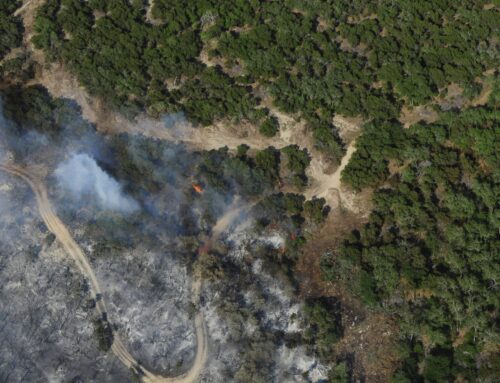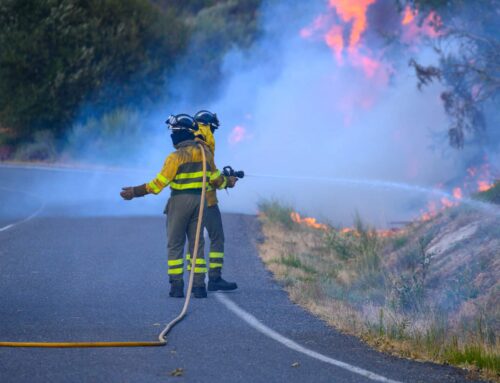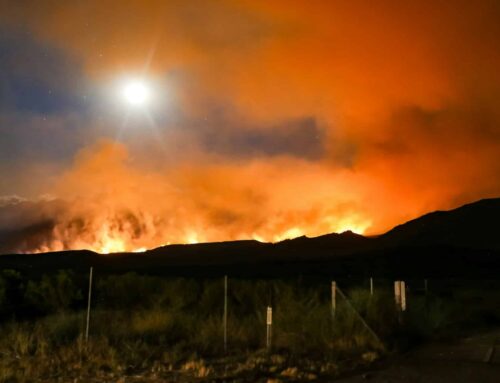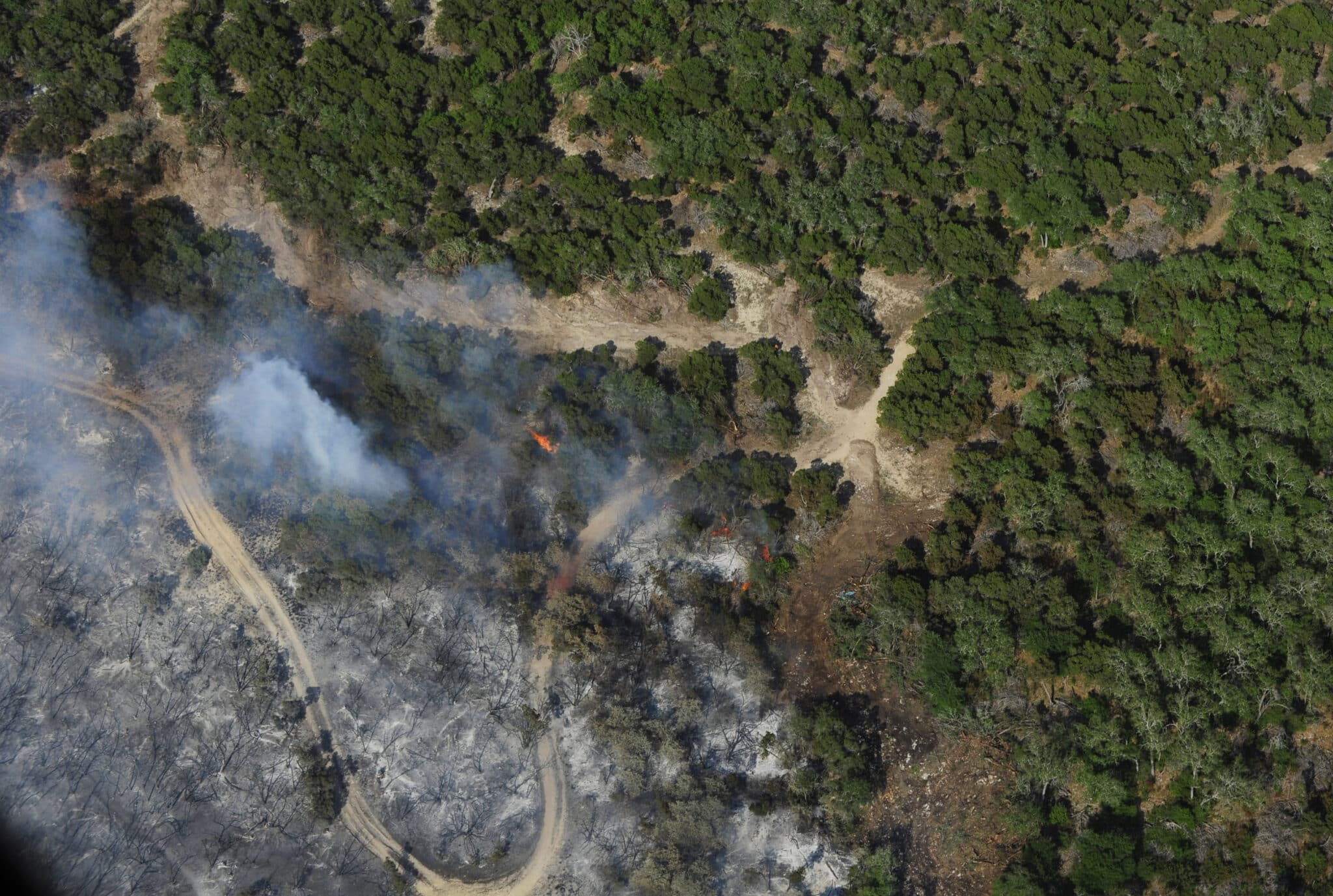
On January 7, 2025, two separate fires—the Palisades Fire and the Eaton Fire—ignited within hours of each other. By the time they were contained, the fires had torn through dozens of neighborhoods in Los Angeles and become the most destructive and costliest natural disaster in California history. A year later, the charred hillsides have mostly faded from view, but the financial aftershocks have not.
There is growing uncertainty over what triggers federal disaster assistance. At the same time, California and other states face a more fundamental question: how to pay for disasters that have grown too large, too frequent, and too expensive for the systems built to absorb their costs. In the absence of clear answers, those costs don’t disappear. They trickle down to all of us—renters, homeowners, electric ratepayers, and taxpayers.
Even with roughly $40 billion in federal disaster relief, $36 billion of which is still pending, the costs of the two California fires are far from fully accounted for. Total property and capital losses are estimated at up to $131 billion. What cannot be absorbed by public disaster spending is pushed outward, scattered across private balance sheets and household bills.
Start with insurance. The Los Angeles fires exposed a trend that has been unfolding for years. As private insurers pull back from the California market in response to rising wildfire risk, California’s FAIR plan—the insurer of last resort for homeowners unable to find coverage in the private market—has expanded rapidly. Since 2022, the plan has more than doubled its policy count, and total exposure ballooned to $670 billion as of December 2025. But like most safety nets, however, the FAIR plan has limits. After the L.A. fires, losses exceeded its reserves, forcing the plan to levy a $1 billion assessment on all licensed insurers in the state. This surcharge is then passed on to customers. In the private market, insurers were barred from dropping residential policies for one year. Now that the moratorium has ended, insurers are likely to raise rates to cover their losses.
Utilities tell a similar story. After being found liable for devastating fires in 2019, one of California’s largest utilities declared bankruptcy. In response, lawmakers created a wildfire liability fund to prevent the utility system from collapsing the next time disaster struck. The fund is financed equally by the state and three major utilities, meaning both taxpayers and ratepayers bear the cost. Now, the state has increased the fund by $18 billion in anticipation that Southern California Edison will draw on it to compensate families after the Eaton fire. The system held for now, but the price of that stability increasingly fell outside the normal budget process.
But backstops like the FAIR Plan or wildfire liability funds are inherently not financially sustainable over the long term, especially when a backstop becomes the default rather than a true backstop. Pricing risk accurately and asking policyholders and ratepayers to bear some disaster costs is not unreasonable. No one wants to see their electricity bills go up. But without utilities investing in brush clearing, underground powerlines, and other mitigation measures, ratepayers will still end up paying when a downed line starts a fire.
Same goes for home insurance. Premiums have to rise because wildfire risks are growing and have historically not been accurately accounted for. When insurers suffer greater losses after each fire and are forced to exit the market, renters and homeowners face higher premiums for less coverage—or no coverage at all. The only way to lower rates and make them affordable over the long run is to reduce risks, and for homes that means building with fire-resistant materials, creating defensible space, and maintaining buffer zones. When there is no clear requirement to reduce risk, these systems become a collection of financial shock absorbers that manage losses without shrinking the underlying exposure.
That same dynamic now shows up at the federal level. Disaster policy increasingly runs on autopilot. Responsibility for reducing future risk is diffuse, and often optional. The federal government has a clear role when disasters overwhelm state and local capacity—that is part of federalism. But tax dollars do little good when they simply subsidize rebuilding in the same way, in the same places that were just devastated. The system has grown adept at paying for damage after it happens, while struggling to coordinate, prioritize, or invest seriously in making the next disaster less costly. Every dollar spent should help ensure that the next disaster demands fewer dollars, not more.
Disaster policy is fiscal policy. Safety nets like federal aid, the FAIR Plan, and wildfire liability funds are only sustainable if they are paired with clear expectations to mitigate risks and limit future exposure. Financing disaster response and recovery without addressing underlying vulnerability does not stabilize the system. It shifts costs, defers accountability, and locks in higher bills over time.
The wildfire season will return, as it always does. The question is whether we will devote the resources now necessary to mitigate future impacts and taxpayer costs?
- Photo by Venti Views on Unsplash