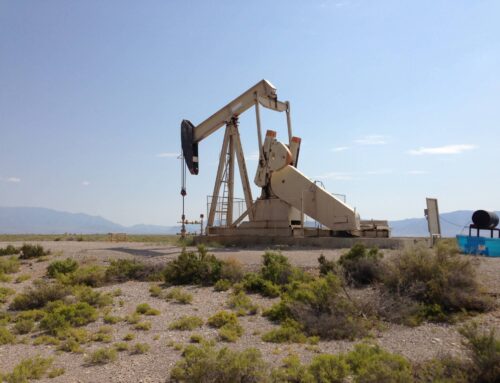

The federal government is set to auction nearly 689,000 acres, roughly the same area as Rhode Island, in Alaska’s Arctic National Wildlife Refuge tomorrow for oil and gas development. If that sounds familiar, it’s because we’ve been here before.
In Washington, some ideas refuse to die. Not because they work or the facts have changed. But because they continue to serve a useful political purpose.
For years, oil and gas leasing in the Arctic Refuge has been treated less as an energy policy than a budgetary piggy bank. Congress projects hundreds of millions, sometimes billions, of dollars in future lease sale revenue, books the money on paper, and uses it to help offset the cost of other legislation. What happens later is somebody else’s problem.
The first round of Arctic Refuge lease sales was authorized in 2017. Lawmakers booked roughly $1 billion in expected federal revenue, and TCS called out the flaws in their math back then. And we were right—the reality was considerably less impressive. The first sale generated just $8.2 million and the second lease sale received no bids at all. There are currently six active leases in the Refuge, but no exploratory work has been done so far, effectively generating no revenue or production for Alaskans and federal taxpayers.
That outcome should have prompted a reassessment. Instead, Congress hit the restart button.
The budget reconciliation law enacted last year mandated another series of lease sales and once again attached substantial revenue expectations to them. This time, the projected federal take is roughly $452 million. Notice that’s less than half the revenue Congress projected from the first effort, but not necessarily more realistic—TCS projected that future lease sales are likely to generate between just $3 million and $30 million in federal revenue. The problem is that very little has changed.
The lease terms are largely the same. The lands being offered are exactly the same, only divided into smaller parcels this time. The logistical challenges are certainly the same. Unlike other producing areas on Alaska’s North Slope, the Arctic Refuge still lacks the roads, pipelines, and processing infrastructure needed to support development. Any future production would require enormous upfront investments before a single barrel reaches market.
And the market signals are hardly encouraging. During the first sale, private industry showed little interest. Most of the winning bids came from the Alaska Industrial Development and Export Authority (AIDEA). As the name suggests, this is a state financing authority, not an oil and gas producer. Today, AIDEA holds all six remaining leases from that sale. The agency has now been authorized to spend up to $190 million on additional leasing and exploration activities, including $15 million on bids for tomorrow’s auction.
There is an irony here. If this state-sponsored financing authority again emerges as one of the primary bidders, policymakers may point to tomorrow’s sale result as evidence of demand. But taxpayer-backed entities bidding on taxpayer-owned land is not exactly a robust market signal. It’s more a circular transaction.
None of this means the auction will generate no revenue. The question is whether it will generate anything close to what lawmakers have already promised themselves. Unfortunately for you and me, Congress has a habit of spending projected leasing revenue long before the money arrives.
And that is the real lesson of the Arctic Refuge. Reasonable people can disagree about whether oil and gas development should occur there. But taxpayers should not be asked to accept highly speculative revenue projections, propped up bidding (thanks AIDEA), and sweetened leasing terms that practically giveaway federal assets when industry interest just isn’t there, leaving little chance of actual production or any significant returns for taxpayers. The very first Arctic Refuge lease sale already proved that projected revenues and actual revenues can be worlds apart.
Tomorrow’s auction is likely to be Groundhog Day all over again. Until lawmakers wake up and do the math, taxpayers will be stuck in an endless cycle that costs us more every time.