
On December 4, the Senate voted (49-45) to repeal a plan issued by the Biden Administration in 2024 governing leasing for oil and gas development in the 1.5-million-acre Coastal Plain of the Arctic National Wildlife Refuge (ANWR) through the Congressional Review Act (CRA), a procedural tool that lets Congress strike agency rules and curtail similar administrative actions in the future. The House passed the resolution on November 18.
By repealing the 2024 Record of Decision (ROD)—the framework for managing the ANWR Oil and Gas Leasing Program—Congress has cleared the way for a new framework that invites more leasing with fewer taxpayer safeguards. The CRA not only nullifies the 2024 plan but also bars the Bureau of Land Management (BLM)—the agency overseeing the ANWR leasing program—from issuing a similar rule in the future, even if circumstances change and a new environmental review is completed.
Statement by Autumn Hanna, vice president of Taxpayers for Common Sense:
"Congress is doubling down on a failed experiment that has already proven to be a raw deal for taxpayers. After two lease sale flops and wildly inflated revenue promises that never materialized, using a blunt procedural tool like the Congressional Review Act to open even more of the Arctic Refuge to speculative drilling is fiscal malpractice—lawmakers are inviting new costs and liabilities while ignoring the clear evidence that industry is not interested and taxpayers will be left holding the bag."
Background
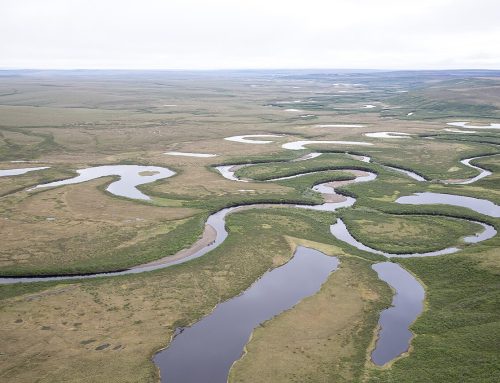
ANWR is the largest refuge in the National Wildlife Refuge System, with nearly 40 percent designated as Wilderness. Its 1.5-million-acre, non-Wilderness Coastal Plain—the 1002 Area—was opened for oil and gas development in the 2017 Tax Cuts and Jobs Act (TCJA, P.L. 115-97), which mandated two lease sales within seven years. Those sales were projected to raise almost $1 billion to help offset the law's $1.9 trillion price tag but brought in less than one percent of that amount.
As part of the Administration's agenda to dramatically expand oil and gas development, President Trump issued an executive order directing agencies to lift the ANWR leasing moratorium, restore rescinded leases—365,755 acres held by a state-authorized public corporation—and throw out the 2024 leasing framework in favor of the 2020 ROD. On October 23, the Department of the Interior issued a new ROD that reopened 1,563,500 acres of the Coastal Plain to development and reinstated the canceled leases.
The promised revenue may never materialize. TCS analysis shows that even under optimistic assumptions, future ANWR lease sales are likely to produce between $3 million and $30 million in federal revenue—far short of policymakers' claims. Leasing also carries substantial fiscal and environmental risks that affect outdoor recreationists, hunters, anglers, and the general public.
Repealing the 2024 plan and reverting to the 2020 framework marks another blow to taxpayers, who are already footing the bill for administrative expenses and could ultimately be responsible for cleanup and restoration in one of the most sensitive and remote regions in the country.