
On August 18, the U.S. Department of Agriculture announced that the U.S. Forest Service had filed a proposed rule to rescind in its entirety the 2001 Roadless Area Conservation Rule, which restricts road construction, reconstruction, and timber harvesting across more than 44 million acres of National Forest System lands nationwide.
The U.S. Forest Service (USFS) has cost taxpayers billions through money-losing timber sales and costly forest road construction. By dismantling the Roadless Rule, the administration would expose taxpayers to additional costs while removing protections that have helped limit the expansion of an already massive and expensive forest road system.
Taxpayers for Common Sense Vice President Autumn Hanna issued the following statement:
“Repealing the 2001 Roadless Area Conservation Rule in its entirety would recklessly expose taxpayers to billions in new liabilities from subsidized roads and money-losing timber sales. The Forest Service already manages more than 368,000 miles of roads and faces nearly $6 billion in deferred road maintenance. Opening millions more acres to road construction risks adding to that growing burden.
“Reviewing a 25-year-old rule makes sense. But wholesale repeal limits options and abandons important taxpayer protections while creating new long-term liabilities. The administration should pursue targeted reforms that could improve and update the rule without foregoing the proven benefits roadless areas provide for taxpayers and local communities.”
Background
The USFS, within the Department of Agriculture, manages 193 million acres of public forests and grasslands collectively known as the National Forest System.
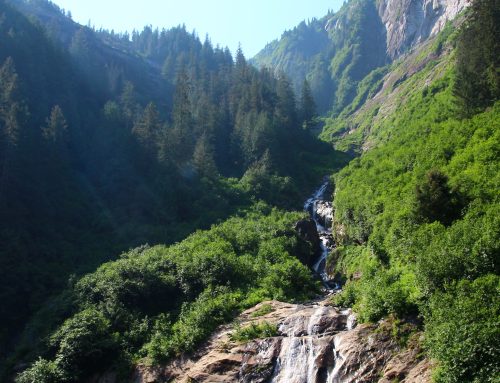
In 2001, the Forest Service adopted the Roadless Area Conservation Rule (Roadless Rule), which restricts road construction, road reconstruction, and timber harvesting in inventoried roadless areas. The rule covers approximately 44.7 million acres of National Forest System lands across 38 states and Puerto Rico, with the majority located in Western states and Alaska.
Many inventoried roadless areas are remote and undeveloped, making them difficult to access and costly to build and maintain roads. The Roadless Rule was issued in part to manage the high costs and negative impacts of new roads and timber harvesting in these areas. Taxpayers already face the financial burden of maintaining an extensive existing forest road system. If these areas were to be developed, the costs associated with administering timber sales, subsidizing road construction, and maintaining existing roads would greatly outweigh the revenues generated by timber sales, costing federal taxpayers potentially billions of dollars.
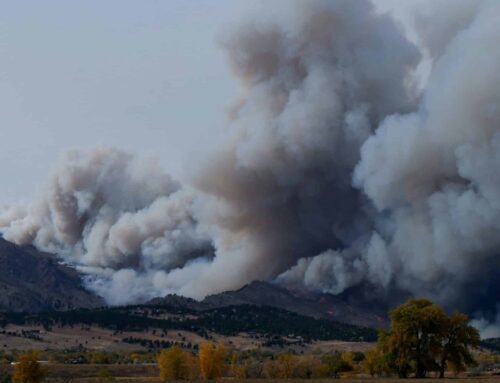
Roadless areas in our national forests benefit federal taxpayers and local communities. Fully repealing the Roadless Rule, rather than pursuing targeted improvements where warranted, would expose taxpayers to billions in subsidized road construction and maintenance, exacerbate taxpayer losses from money-losing timber sales, potentially increase wildfire risks and the associated costs borne by taxpayers, and weaken the health of roadless areas that provide important commercial and recreational benefits to the American public.