
The clock on one of the biggest rollbacks in U.S. forest policy just got reset. The Department of Agriculture’s push to eliminate the 2001 Roadless Rule, a regulation that has kept bulldozers and logging equipment out of tens of millions of acres of national forest for a quarter century, is no longer racing toward a late-September cutoff. Regulators gave the public an extra two weeks to weigh in, pushing the deadline to October 6 and setting up a final decision that could land before the end of the year.
What USDA Actually Proposed
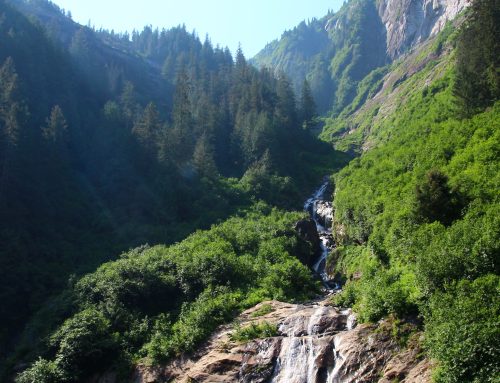
Agriculture Secretary Brooke Rollins announced the plan on August 18, and the formal proposed rule landed in the Federal Register two days later, opening the docket now known as FS-2025-0001. The rule would strip the blanket road-building and logging restrictions from roughly 44.7 million acres of national forest, out of the 58.5 million acres nationwide that carry the roadless designation. Idaho and Colorado sit outside the fight entirely — both states negotiated their own state-specific roadless rules years ago. Everywhere else, including protected stands inside California’s Sequoia National Forest and old-growth sections of Alaska’s Tongass, decisions about new roads would shift from a single nationwide standard to whatever each local forest’s management plan allows.
The Administration’s Pitch: Local Control, Faster Fire Response
USDA officials describe the repeal as a practical fix rather than a deregulatory crusade. Rollins argued the current system leaves crews unable to respond to deteriorating forest conditions: “Our forests can’t afford another decade of inaction,” she said in the agency’s announcement. The logic is straightforward on paper — roads let crews reach overgrown, fire-prone terrain to thin vegetation and build containment lines before a blaze spreads.
On the economic side, the agency’s own regulatory analysis estimates the change could open around 4.8 million acres to logging and lift national timber harvest volume by 5 to 10 percent, generating roughly $4.6 million to $10.6 million a year in additional industry revenue, according to a summary from the Small Business Administration’s Office of Advocacy. That is a notably modest number next to the separate directive pushing the Forest Service to raise its overall timber output by 25 percent, and outside reporting has noted the gap directly — even USDA’s own draft rule called that harvest bump unlikely to be fully realized.
What the Agency’s Own Review Concedes About Fire Risk
The wildfire argument cuts both ways, and notably, some of that counter-evidence comes from inside USDA’s own paperwork. According to reporting on the draft environmental review, the agency itself acknowledges that human-caused wildfires could become more frequent once roads open new terrain to vehicle traffic, campfires, and other ignition sources — the opposite of the containment benefit officials are promoting. Earthjustice attorney Timothy Preso, who has litigated past attempts to unwind the rule, pointed to the administration’s own executive orders on timber and energy expansion as the real driver behind the proposal: “That really is the tell as to what’s going on here,” he said. Separate research cited by forest policy analysts has found that fire ignition rates climb the closer land sits to an existing road, a pattern the agency’s own data reportedly reflects.
A Maintenance Bill That Keeps Growing
Critics also point to money the Forest Service doesn’t currently have. The agency’s road-maintenance backlog has been pegged anywhere from roughly $6 billion to more than $11 billion depending on the year and the source, and it has only grown since the rule took effect in 2001. Steve Ellis of Taxpayers for Common Sense summed up the math bluntly to NPR: “it’s just going to add to an already $6 billion road maintenance backlog,” he said, arguing that new construction competes for the same underfunded upkeep budget rather than solving it.
Watersheds, Habitat, and a Quarter-Century of Untouched Land
Beyond fire and budgets, opponents warn about what gets lost once roads fragment land that has functioned as de facto wilderness since 2001. National forests broadly supply drinking water to roughly 180 million Americans, and roadless acreage alone touches more than 350 municipal watersheds nationwide, according to figures cited by the Natural Resources Defense Council. Conservation groups argue that breaking up those unroaded interiors threatens species that depend on continuous forest cover, independent of whatever fire-management gains the repeal delivers.
Tribal Nations Have Already Weighed In — Loudly
This isn’t the public’s first chance to respond. An earlier 2025 scoping period tied to the same proposal drew more than 220,000 comments, and an independent review of the tribal submissions found roughly 99 percent opposed the rescission, according to analysis published on the tribal law blog Turtle Talk. That earlier resistance is part of why litigation is widely expected no matter which way the final rule lands.
What Happens Between Now and October 6
With the window now open through October 6, state governments, tribal nations, timber and mining interests, and environmental groups are all expected to file additional formal comments before it closes. The Forest Service’s own internal policy update says staff are already reviewing submissions and preparing a final rule targeted for release this fall, meaning a decision could arrive well before the end of the year — with legal challenges expected to follow almost immediately, regardless of the outcome.
- Zarxos at English Wikipedia, CC BY-SA 2.5