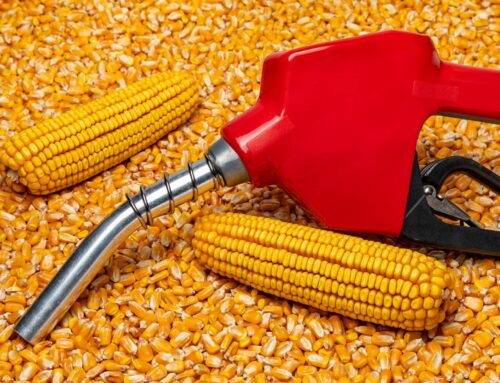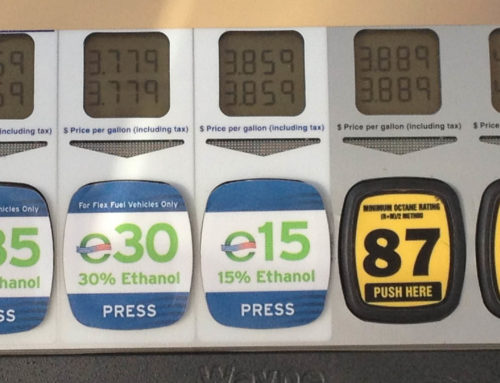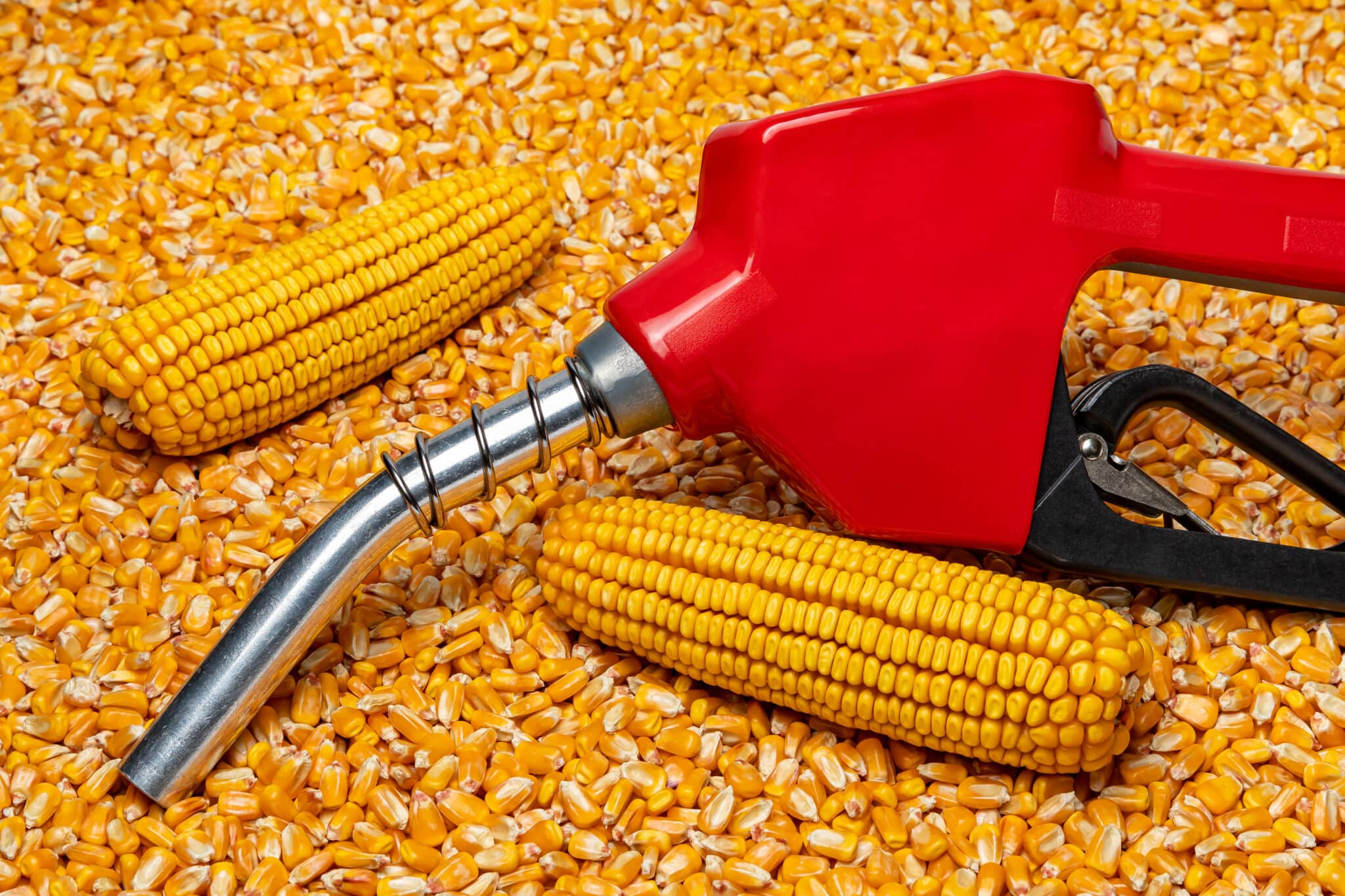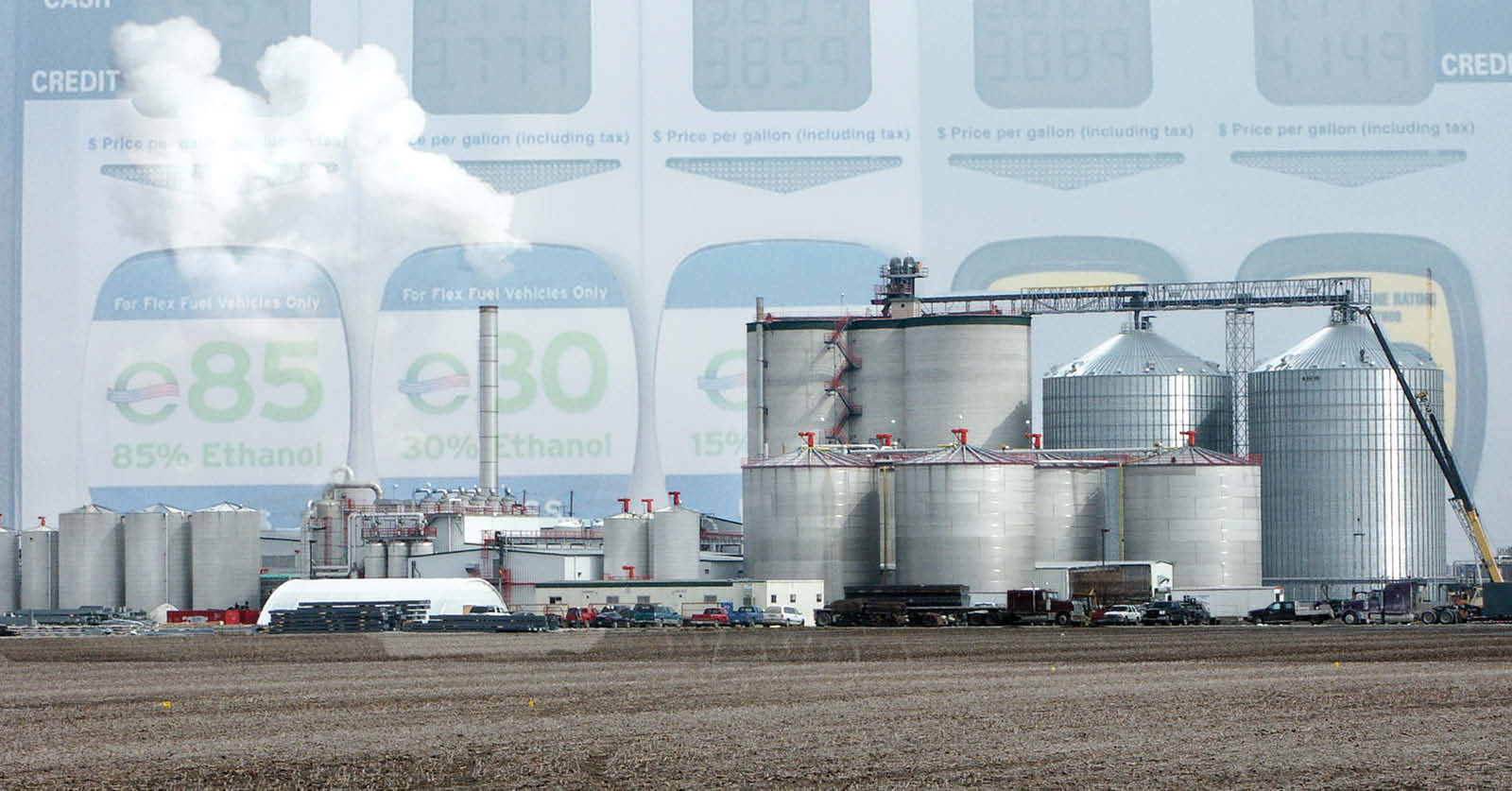

Since the creation of the domestic market for corn ethanol after the energy crisis of the 1970s, the federal government has nurtured and sustained the U.S. ethanol industry with a steady stream of subsidies. Originally promoted as a path to energy independence and lower greenhouse gas (GHG) emissions, ethanol quickly became a staple of Corn Belt politics. Over time, producers have benefited from preferential tax treatment, tariff protection, federal blending mandates, infrastructure subsidies, and a range of other supports. Taxpayers have spent tens of billions of dollars over the past 50 years propping up what is now a mature biofuels industry. Those subsidies, however, have failed to deliver on their original promises. They have neither meaningfully impacted energy independence nor served as a bridge to next-generation, non-food-based biofuels. Instead, they have distorted energy and agricultural markets and contributed to higher food and feed costs, negative impacts on land and water resources, and wasted federal dollars.
Recent legislative changes, including new tax credits and carve-outs enacted in 2025, have revived and extended federal support for corn-based biofuels. This report explains the changes and shows how a mature industry continues to benefit from overlapping federal support.
Download the full report here or scroll down to read below: