
If the question of whether the military should have the tools and data it needs to repair its equipment was on the ballot, polls suggest roughly three quarters of the millions of voters in the midterm election would have voted yes. Instead, the decision will be made this month by four lawmakers who lead the Senate and House Armed Services Committees—Chairman Roger Wicker (R-MS), Ranking Member Jack Reed (D-RI), Chairman Mike Rogers (R-AL), and Ranking Member Adam Smith (D-WA). As they work to iron out final text of the National Defense Authorization Act (NDAA) in closed-door conference negotiations, national security, servicemember safety, and billions of taxpayer dollars hinge on this decision.
For many reasons, it should not be a hard one.
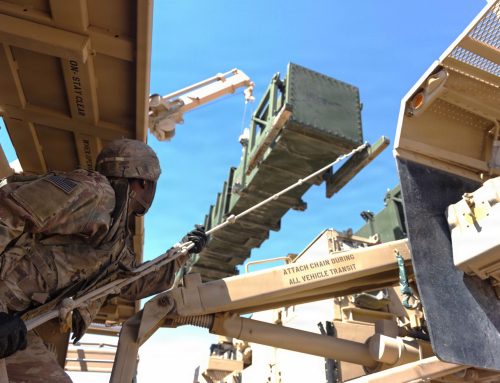
National security requires a military equipped with the necessary tools to repair equipment in the field. Under the status quo, most Pentagon contracts effectively offer contractors a monopoly on equipment repair by failing to require that contractors share repair tools and data with the military. As a result, servicemembers sometimes have to wait weeks or even months for contractors to repair equipment—delays that can put servicemembers and their missions in jeopardy. Stories of the consequences abounds; MRI and CT scanners going down in the field for days because their service key expired; trainings delayed because Marines weren’t allowed to fix a broken generator; and a lack of access to technical data on the F-35 contributing to the program’s abysmal readiness rates.
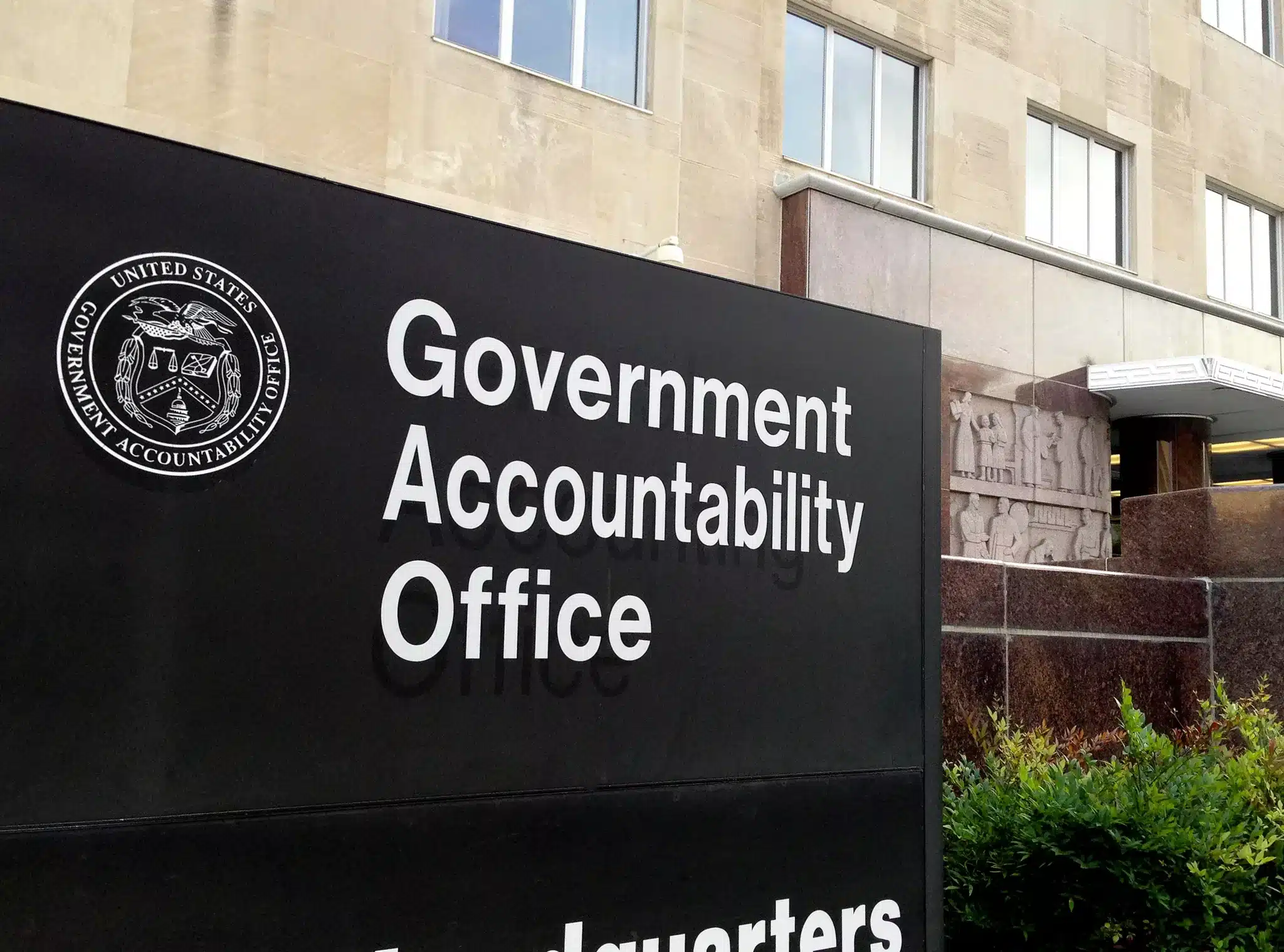
A new report by the Government Accountability Office (GAO), Congress’ investigative arm, found that the Pentagon has lost track of roughly 17,000 spare parts for the F-35 with an estimated value of $1.3 to $2.5 billion. While that’s partly a reflection of the Pentagon’s poor procedures for tracking spare parts, it’s also yet another consequence of the industry’s monopoly on sustainment.
Missing parts aren’t the only taxpayer costs that right to repair could help address. When contractors hoard the tools and data necessary to repair equipment, they stymie competition and charge whatever they think they can get away with, which can be up to three times the cost of paying servicemembers or civilian Pentagon employees to conduct the same repairs.
Implementing a right-to-repair requirement would also allow the Pentagon to shop around for the best deal, enhancing competition and giving small businesses a chance to throw their hat in the ring for repair contracts. That’s why over 300 small businesses are on record supporting military right-to-repair.
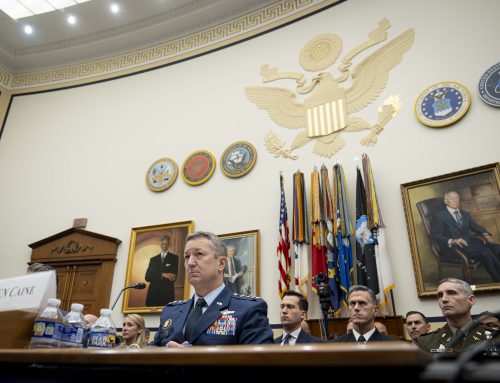
Momentum for military right-to-repair is growing. Last year, then-Army Secretary Dan Driscoll implemented right-to-repair requirements for Army contracts. Chairman of the Joint Chiefs of Staff General Dan Caine also weighed in, arguing that military right to repair “would decrease reliance on external contractors, lower service fees, and allow for more efficient maintenance practices, ultimately leading to long-term cost savings.” Right-to-repair language was subsequently included in both the House and Senate versions of the NDAA. Unfortunately, committee leadership stripped the language out of the final bill at the last minute, caving to pressure from the Pentagon contractors who will lose out on their monopoly-priced repair contracts if the provision is implemented.
This year, congressional support for right to repair has gone from strong to unanimous. In the Senate Armed Services Committee markup of the Pentagon policy bill this summer, all 27 committee members voted to include military right-to-repair language in the bill. In the House, the same measure passed by voice vote, with no audible opposition.
Predictably, the industry is still pushing back. They claim that giving the military access to repair tools and data would compromise their intellectual property (IP) rights and discourage contractors from doing business with the Pentagon. But as Rep. Sara Jacobs (D-CA), who represents one of the largest military communities in the country, explained during the committee markup, “Every trade secret protection stays exactly where it is, and when the Government Accountability Office went looking for a single case where the government compromised a contractor’s IP, it couldn’t find one.” Moreover, the notion that companies would opt out of business with an agency that spends nearly $600 billion per year on procurement and operations and maintenance is patently absurd, pun intended.
The real consequence of implementing right to repair will be faster repairs, safer servicemembers, stronger competition, higher readiness rates, better mission outcomes, and billions in taxpayer savings. As far as taxpayers are concerned, it doesn’t get more common sense than that.