
The U.S. Forest Service (USFS) manages 193 million acres of public forests and grasslands collectively known as the National Forest System. These lands provide significant benefits to all Americans, and many areas remain remote and largely unroaded.
In 2001, the Forest Service adopted the Roadless Area Conservation Rule (Roadless Rule), which prohibits road construction, road reconstruction, and timber harvesting in inventoried roadless areas. The rule covers approximately 44.7 million acres of National Forest System lands across 38 states and Puerto Rico, with the majority located in Western states and Alaska.
Many inventoried roadless areas are undeveloped and lack access roads for large-scale logging. The Roadless Rule was issued in part to protect these areas from the high costs and negative impacts of road construction and timber harvesting, as well as the long-term financial burden of road maintenance. If these areas were developed, the costs of administering timber sales, subsidizing road construction, and maintaining roads would fall to American taxpayers. Historically, timber sales have cost more to administer than they generate, offering little prospect of meaningful or sustained revenue from expanded roadbuilding.
You can download the full Policy Brief here or read it below.
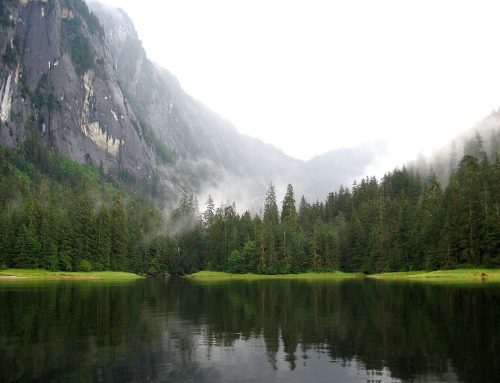
- Photo by bummi100, Adobe Stock