
Americans have all heard of the Trump Administration’s commitment to “Energy Dominance,” which on the surface sounds good. We all want abundant, affordable, and secure energy. But the current policy agenda won’t get us there.
From the Departments of Energy and the Interior to the EPA, President Trump and his Cabinet officials have echoed the call—one emergency declaration and executive order after another. We’ve even had a National Energy Dominance Month. Top that, Infrastructure Week.
Sure, Americans can agree we need strategic energy development. But real energy independence, reliability, affordability, and security don’t come from Washington picking winners and losers in the energy sector. They come from competition that allows the best choices to rise to the top. The most efficient, cost-effective, and durable solutions with the fewest long-term liabilities win—not those propped up by subsidies, giveaways, and political connections. Unfortunately, this seems to be lost in the current political environment.
Time after time, the Administration has shown clear favoritism toward certain energy industries—to the detriment of American taxpayers. Just this week, the government agreed to reimburse TotalEnergies $928 million to forfeit its leases in federal waters for two wind farms off the coasts of New York and North Carolina. Yes, you read that correctly. We’re handing back nearly $1 billion we received from those leases. But wait, there’s more—combined, these projects were on track to produce enough electricity to power more than 1.3 million homes and businesses. Affordable power for you and me.
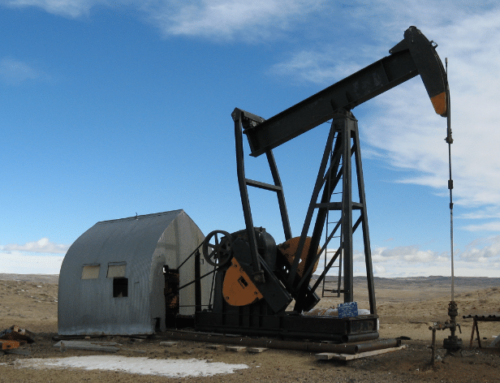
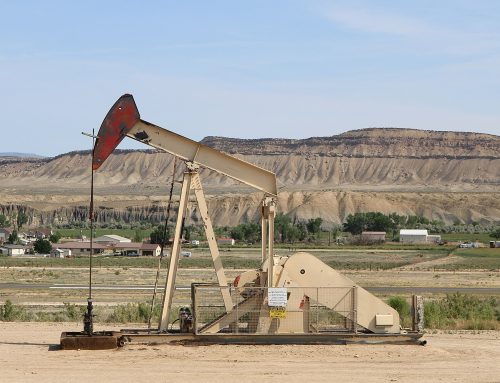
This shouldn’t come as a surprise. From day one, the Administration has made its energy priorities clear. It’s promoting the dominance of some energy. It canceled permits for what would have been the country’s largest solar project while leasing 327,000 acres of federal land for oil and gas development at discounted rates. It preached improved consumer choice while ordering the Pentagon to buy coal power, forcing coal plants to stay open, and mandating transportation fuel suppliers blend record-high volumes of biofuels. And alongside Congress, it created new and expanded subsidies for the oil, gas, coal, and nuclear industries while slashing those for renewable energy and energy efficiency.
This overreliance on “traditional” energy sectors will have consequences down the road. Just look at what the rest of the world is experiencing as oil and gas supplies are upended by the war in Iran. And look at the prices when you fill up your gas tank at home. Thankfully, the U.S. has a strong base to build from—we have been a net total energy exporter since 2019. Despite a dip during the pandemic, the U.S. produced 109% of the energy it consumed in 2024. But we need only look abroad to see the risks of overreliance on fossil fuels. True energy dominance requires parity across energy sources and a diverse energy production portfolio. We need an approach that lets the market decide, rather than government intervention that picks winners and losers through mandates and subsidies in the form of tax credits, grants, loan programs, and discounted terms for development on federal lands and waters.
To be fair, every Administration has put its thumb on the scale—Congress too. We’ve all heard we need “all of the above,” but rarely does that really include “all.” What we really need is “all that is good for taxpayers.”
The good news? We can pursue energy dominance while also protecting taxpayers. In fact, it’s the only way to achieve it. Where do we start? Give support where it is most needed and where it will have a real impact—and end the handouts for well-established, wealthy industries that undervalue our resources and leave us with long-term liabilities.
Let’s start simple: by ending longstanding subsidies that have been on the books for decades. Many federal subsidies were created decades ago to nurture what were once fledgling industries. But times have changed. The policy allowing favorable expensing of intangible drilling costs for oil and gas companies, for example, was created more than a century ago yet continues today, costing taxpayers $230 million each year.
As noted earlier, federal subsidies aren’t limited to tax preferences and grants. The government also sets the terms for developing taxpayer owned resources on federal lands and waters. Offering below-market rates set in the 1920s in the name of boosting domestic energy production is a bad deal for taxpayers. We’ve already lost more than a billion dollars in foregone revenue on leases issued since July 2025 with no benefits—reduced rates don’t lead to increased production or lower gas prices.
Once we bring federal energy policies into the 21st century, then it’s time to evaluate the outcomes of subsidies—and do so regularly. Consider the Renewable Fuel Standard. It was pitched as a way to encourage next-generation, non-food-based transportation fuels. Instead, it has been dominated by corn ethanol and soy-based biodiesel, which have increased food and fuel costs, increased taxpayer spending on biofuel subsidies, and harmed wetlands and grasslands.
Some policies also create long-term liabilities that go unaccounted for in market transactions. In the energy sector, this includes the costs of releasing carbon and other pollutants into the atmosphere or difficult to dispose of toxic waste. Other indirect costs, including maintaining and repairing public roads, can also go unaccounted for—this is typically funded through the gas tax, which does not apply to electric vehicles. Pricing these real impacts ensure costs aren’t passed on to taxpayers and that the most efficient and effective technologies get a fair shot.
Increased oversight and accountability can ensure programs are operating in the taxpayer interest, prevent abuse, and rein in run-away costs. This is something other budget watchdogs like Congress’ nonpartisan oversight arm, the Government Accountability Office, and Inspector Generals have long called for, including in places such as the costly Hydrogen Hubs Program. We have paid the consequences from a lack of oversight, like when we spent $520 million on NuScale before the project went belly up or shelled out $472 million to design four carbon capture and storage (CCS) facilities that were never built.
Federal energy policy must be forward looking. Approving projects, subsidizing infrastructure, and shaping tax policy all influence investment decisions that affect taxpayers and consumers for decades, if not longer. Taxpayers can’t afford to be tied to projects and deals that just don’t add up. Let the private market decide if the math works.
At the end of the day, everyone agrees the country needs smart, strategic energy development. But real energy dominance requires fairness not favoritism across energy sources. We can’t afford anything less.
- Photo by Moses Malik Roldan on Unsplash