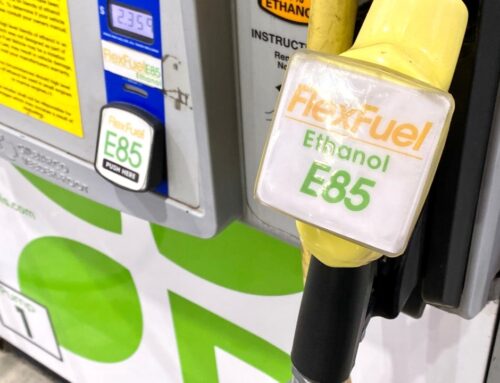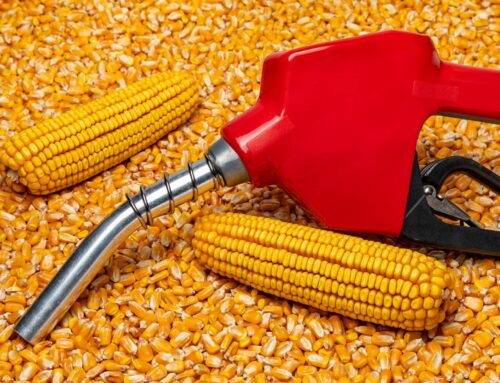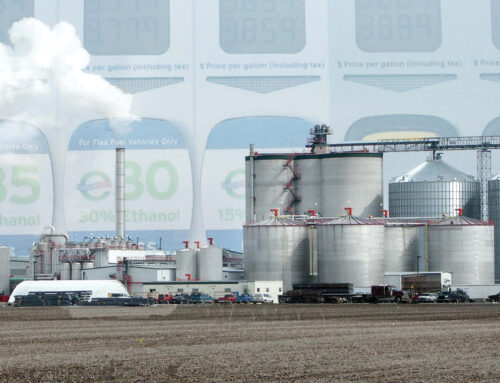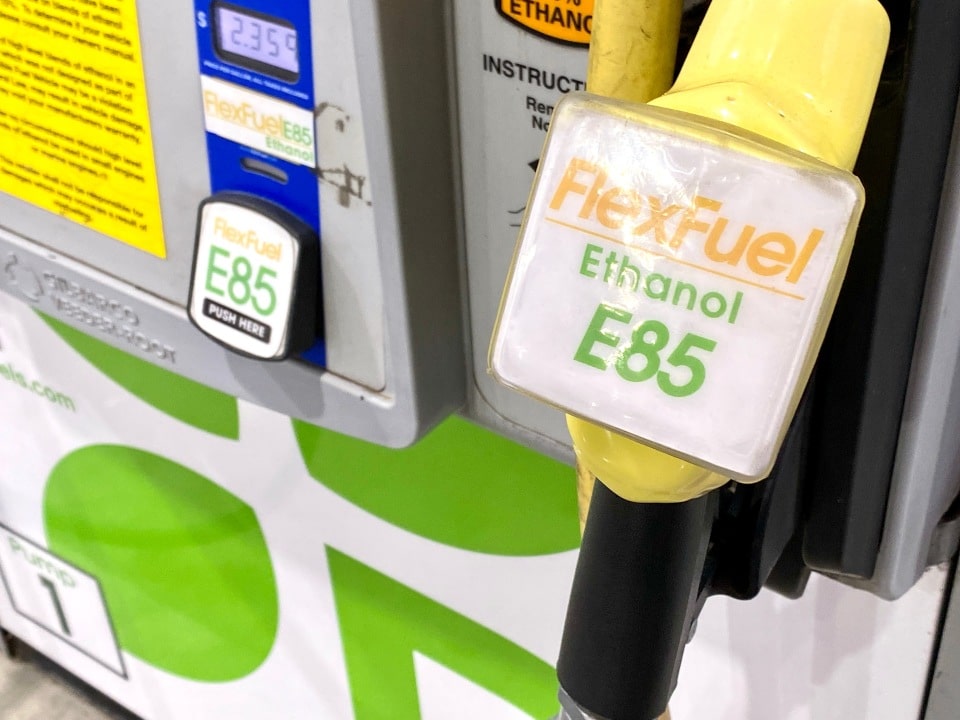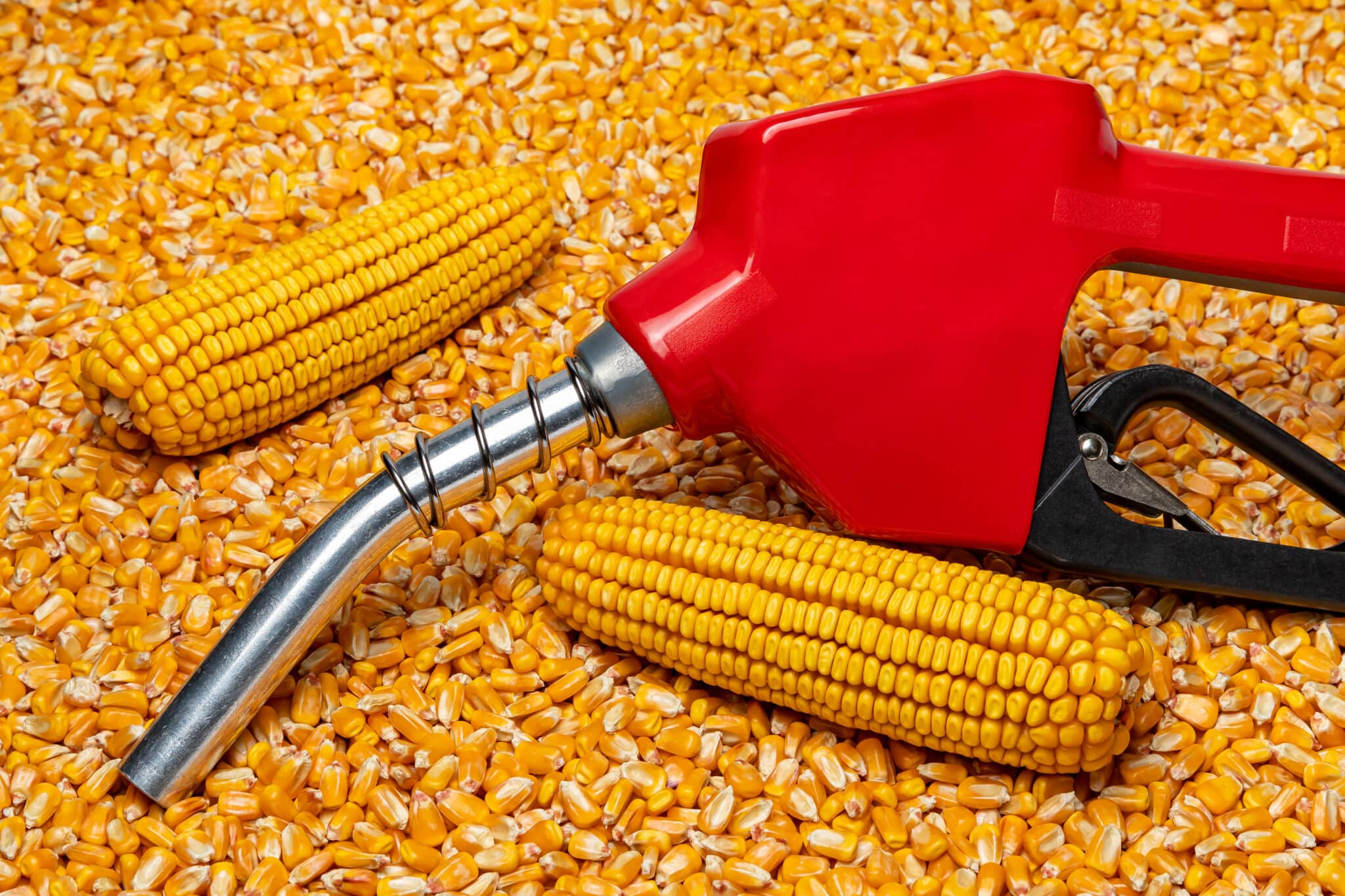

Nearly a half century has passed since the federal government first began subsidizing corn ethanol, a biofuel that is generally blended with gasoline at a 10 percent level (E10). Historically, ethanol subsidies were centered around federal production tax credits, but they have also taken the form of government biofuel mandates, infrastructure subsidies for new fueling pumps, grants for ethanol production facility upgrades, and more. Approximately 15 years ago, the ethanol industry also successfully began securing federal policies favorable to a blend of 15 percent ethanol and 85 percent gasoline, known as E15.
Congress eliminated certain ethanol subsidies more than a decade ago (specifically, the $6 billion-per-year ethanol tax credit in 2011), but since then both Democratic and Republican Administrations have circumvented lawmakers’ intentions by adding other subsidies and special interest ethanol policies to an already distorted marketplace. Most recently, the One Big Beautiful Bill Act (OBBBA) of 2025 increased ethanol tax breaks by broadening eligibility for the Section 45Z Clean Fuel Production Credit, potentially allowing corn ethanol and other food-based biofuels to qualify.
You can download the full E15 (15 percent ethanol) fact sheet here or read it below.