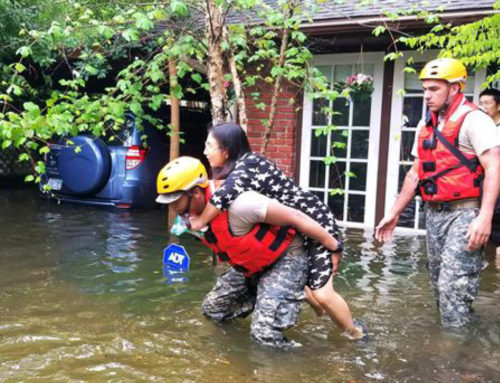
Saturday will be the 21st anniversary of Hurricane Katrina making landfall on the Gulf Coast. Shortly afterward, much of New Orleans was underwater. The storm took nearly 1,400 lives and wreaked $125 billion ($212 billion in 2025 dollars) worth of damage. The memory is seared into the collective consciousness. But those memories need to spur more action.
Katrina wasn’t the only major storm in 2005. Hurricanes Rita and Wilma hit that year as well. In the years since, Noel, Gustav, Ike, Irene, Sandy, Matthew, Harvey, Irma, Maria, Nate, Florence, Michael, Dorian, Laura, Eta, Ida, Ian, Beryl, Helene, and Milton all hit the U.S. and were destructive enough to have their names retired.
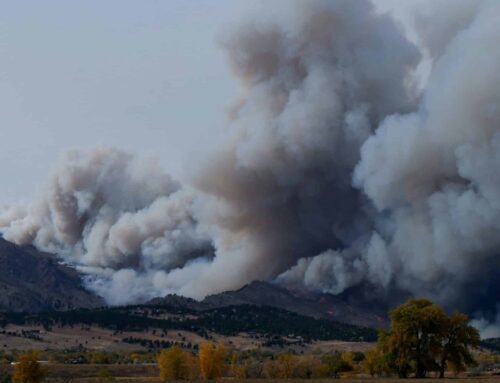
This is another way of saying natural disasters aren’t going away, and their costs continue to mount. And it’s not just hurricanes. Floods, fires, freezes, and other types of disasters continue to occur, often at intensities or places where they’ve not been seen before. In 2025, disasters caused more than $100 billion in damage even though not a single hurricane made landfall in the U.S. Hurricanes can produce some of the most glaring examples of harm, but even in their absence, disaster costs pile-up.
For lawmakers and communities thinking about disasters, the question is not if natural disasters will hit the U.S., but when, where, and what will be waiting for them. The federal government has to do a better job preparing itself and the nation for the inevitable. That means having a well-functioning disaster system that communicates risks, incentivizes reductions in those risks, and responds effectively when disasters occur.
There has been progress of late.
Earlier this year, lawmakers finally codified a major disaster response program CDBG-DR (Community Development Block Grants – Disaster Recovery). Since Hurricane Andrew hit Florida in 1992, CDBG-DR has been funded after major disasters. But the program was never permanently authorized in law, which meant different administrations issued different regulations governing how it operated after different disasters. In fact the program could change between disasters during the same administration. That led to confusion and delays in implementation. The 21st Century ROAD Home Act, enacted in July, authorized CDBG-DR for three years. That’s a start and will allow for more organized, predictable, and potentially efficient administration of the program moving forward. It’s something communities, federal employees, and lawmakers can plan around and better evaluate.
There’s been other progress on disasters. The Fixing Emergency Management Act, approved by the House Transportation and Infrastructure Committee on a bipartisan 57-3 vote, would reform FEMA and the disaster system overall. Among its many reforms, the bill would give the agency more stature in the administration by re-making it a cabinet-level agency, streamline the post-disaster application process, and improve mitigation efforts. At a time when the Executive Branch has raised the specter of eliminating FEMA, the FEMA Act is a critical declaration of Congressional interest and intent in maintaining a federal role in disasters.
The administration’s FEMA Reform Council suggested pushing more responsibility for disaster response to states and localities. It is important that states and localities have incentives to prepare for and reduce long-term disaster costs. Planning disaster response when things are calm is less costly and more effective than doing so in the midst of a disaster. Efforts to elevate structures, reinforce roofs, zone for risk, create buffers, enforce stronger building codes, implement early warning systems, and take other steps to mitigate the physical and financial damage of future disasters are key. But the Council’s proposal largely shifts financial responsibility rather than reducing the underlying costs. There are no proposed policy changes or improvements to federal programs that would alter the physical and planning environment to reduce future costs. Simply shifting responsibility will not reduce risks to property, communities, or people.
We need to do more.
There are some things we know. We know mitigation saves money, so we need to consistently fund it, reward nonfederal investments, and at times require them as a condition of federal funding to ensure taxpayer dollars are being used to create more resilient communities. We know FEMA could be better at delivering assistance, so we need simplified processes, improved communication, and solutions to long-standing bottlenecks in housing and coordination. And perhaps the biggest lesson from Katrina—and Helene, Sandy, Paradise, Kerr County, Joplin, you name the disaster—is that there will be a next time, and Congress needs to budget for it.
For the things we don’t know, we need to find out what works and what doesn’t, and quickly. This means better tracking and accounting of disaster spending, outcome-based performance metrics, and an independent fact-finding body, similar to the National Transportation Safety Board, that can examine major disasters and identify lessons for the future.
But not every natural disaster must become a catastrophe. An honest acknowledgment of the risks communities face, the costs of preparation, and the role federal policies play in either exacerbating or mitigating those risks is paramount. When Katrina hit, the federal government’s total debt was $7.9 trillion. Last week it topped $40 trillion. The increasing cost of servicing that debt reduces our ability to respond to future needs, including natural disasters. There is an appetite to reform federal disaster policy. It needs to happen.
- Photo by Wade Austin Ellis on Unsplash