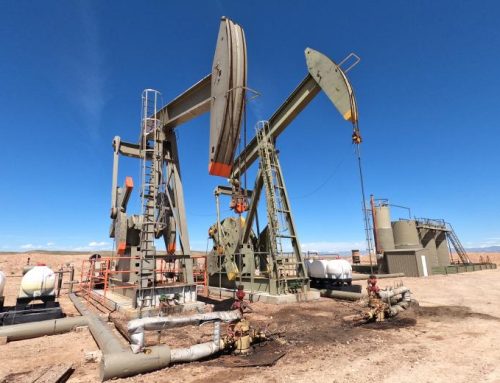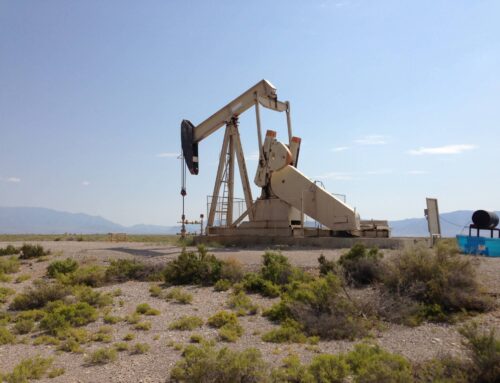

Federal lands and waters contain vast reserves of oil and natural gas. To facilitate the development of these valuable natural resources, the federal government auctions off the right to lease parcels of federal land to private entities. In return for the right to drill and profit, producers pay bonus bids at competitive auctions, rent for using federal real estate, royalties on the market value of the oil and gas they extract, and other fees to cover the government's management costs.
The federal leasing system generates significant revenue for taxpayers. From FY2015-2024, the Office of Natural Resources Revenue reported collecting $94.2 billion from the oil, gas, and natural gas liquids produced on federal lands and waters, representing 88% of all revenue from federally owned natural resources. Royalties make up the bulk of that revenue. All federal leases carry a statutory royalty of 12.5% for onshore production and 18.75% for offshore.
Before a royalty—12.5% for onshore leases and 18.75% for offshore leases—is charged on the value of oil and gas, producers are eligible for certain deductions. Unfortunately for taxpayers, this has resulted in billions of dollars in revenue left on the table every year and kept taxpayers from getting a fair return on the development of taxpayer-owned oil and gas.
Deductions are regulatory allowances given to lessees for "reasonable, actual costs" of production—mainly, the transportation and processing costs.
You can download the full fact sheet here or read it below.
- Photo by by John Ciccarelli, BLM