
On March 18, the Bureau of Land Management (BLM) announced the results of the first federal oil and gas lease sale in the National Petroleum Reserve in Alaska (NPR-A). The sale was the first of several mandated in recent legislation which required at least 5 sales over the next decade, with each sale offering at least 4 million acres. This sale offered over 5.4 million acres, 1.3 million of which received bids, generating approximately $163 million in total bid revenue.
The majority of the acres offered—around 75%—did not receive a single bid. Bidding that did occur was concentrated on 971,000 acres deemed to have higher potential for oil and gas development. These tracts were historically excluded from oil and gas leasing. But, in accordance with a development plan issued under the previous Trump Administration and then mandated by the One Big Beautiful Bill Act, they were made available in the sale. The 2020 development plan for the area, or ROD, made around 82%, or 18.6 million acres, of the NPR-A available for oil and gas leasing, including certain ecologically sensitive areas like Teshekpuk Lake. Due to their importance for caribou and migratory birds, these areas were previously closed off from development.

IIn total, the sale offered a massive 5.4 million acres across 625 tracts to be leased for oil and gas development. However, only 187 tracts, or 1.3 million acres, received bids, which is less than a quarter of the total acres offered. The average bid per acre was $123, which, while high for NPR-A sales, is relatively low compared to lower 48 oil and gas lease sales, which averaged $1,085/acre in 2025. In states like New Mexico and North Dakota, with high federal oil production, the average bid per acre last year was $8,580 and $2,841.
Most of the industry’s interest in this sale was focused on areas determined to have higher potential for oil and gas development. Of the $163.6 million in total bid revenue, $150.9 million (92%) was generated from leasing high potential tracts. Conversely, while 3.2 million acres of low potential tracts were offered, only 11% received bids, totaling just $12.7 million in bid revenue.
Today’s lease sale results highlight that industry interest is concentrated in high production potential areas and does not necessarily apply to the rest of the Arctic region, especially when compared to other sales that took place in the Alaska. Just last month, a sale in Alaska’s Cook Inlet, also mandated by OBBBA, offered over a million acres but received zero bids.
The Cook Inlet sale was not the first time a federal oil and gas lease sale in Alaska attracted zero bids. In January 2025, a lease sale in Alaska’s Arctic National Wildlife Refuge (ANWR) also drew zero bidders and generated no revenue. An earlier sale in 2021 in ANWR only brought in $16.5 million, even though the two sales were estimated to raise about $1 billion in projected revenue when Congress first authorized oil and gas leasing in the Refuge. Despite the lackluster results of the two sales, OBBBA mandated 4 more sales in ANWR within the next 7 years.
These sale results show that mandating lease sales and opening up more federal land to oil and gas leasing does not necessarily guarantee good return for taxpayers. Instead, parcels should be evaluated for development potential and weighed against other beneficial uses, such as other energy development and recreation. Extracting oil and gas in the remote Arctic environment also presents significant hurdles, both in building out the necessary infrastructure and the high risks of development in an ecologically sensitive environment—risks taxpayers may shoulder, as federal dollars will likely be used in response to any major accident or reclamation needs.
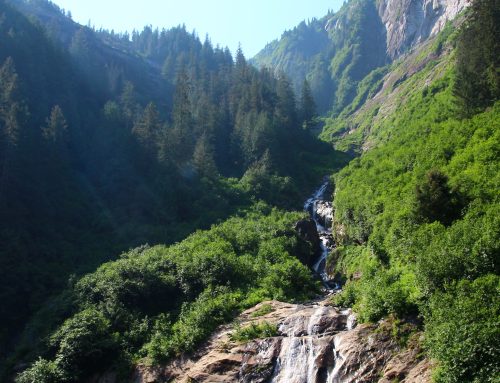
- By BLM Alaska - Rivers in Northeast National Petroleum Reserve in Alaska., Public Domain, https://commons.wikimedia.org/w/index.php?curid=159145644