On June 5, 2026, the Bureau of Land Management, within the Department of the Interior (DOI), held an oil and gas lease sale in the Arctic National Wildlife Refuge (ANWR), the first of four sales mandated by the One Big Beautiful Bill Act (OBBBA, P.L. 119-21).
The sale offered 58 tracts covering nearly 688,000 acres, but only 10% of the acreage received bids, generating just $3.7 million in bonus bid revenue. Only two bidders participated in the auction, one of which was an Alaska state-run corporation that stepped in due to lack of competition. The abysmal result came as little surprise, as the two previous lease sales also attracted minimal industry interest. The lease sale, held in January 2021, generated just $16.5 million in revenue. The second, held in January 2025, attracted no bidders and generated no revenue.
In response to the lease sale results, TCS Vice President Autumn Hanna issued the following statement:
"After two previous lease sales that delivered less than 1% of the revenue Congress originally projected, taxpayers already know that drilling in the Arctic Refuge is a bad deal. Today's lease sale is another reminder that oil and gas development in the Refuge is a high-risk, low reward proposition with little interest from industry. Americans will not see relief at the pump. Instead, they face greater fiscal and environmental risks from drilling in one of the country's most remote and sensitive regions."
Background
The Arctic National Wildlife Refuge is the largest refuge in the National Wildlife Refuge System. In the 2017 Tax Cuts and Jobs Act, Congress authorized a federal program to manage the "leasing, development, production, and transportation of oil and gas in and from the Coastal Plain" of the Arctic Refuge, an area containing approximately 1.5 million acres of non-Wilderness federal land. Congress required DOI to hold an initial lease sale by December 22, 2021, and a second by December 22, 2024, with each sale offering at least 400,000 acres.
The ANWR oil and gas program was proposed as a revenue raiser to help offset the 2017 tax law's $1.9 trillion price tag. The Congressional Budget Office (CBO) estimated that the two lease sales would generate $1.82 billion over ten years, resulting in $910 million in federal revenue, as half would be shared with the State of Alaska. In reality, the first oil and gas lease sale generated just $16.5 million in total revenue, or less than 1 percent of what Congress and the CBO. The Alaska Industrial Development and Export Authority (AIDEA), a public corporation of the State of Alaska, accounted for most of the winning bids because of limited industry participation.
In 2022, the only two private companies that acquired leases, Knik Arm Services LLC and Regenerate Alaska, requested that their leases be rescinded. Major U.S. banks, including Wells Fargo, Goldman Sachs, Morgan Stanley, Citibank, and Chase, along with insurers such as Chubb, have also announced that they will no longer finance or insure oil and gas development in the Arctic Refuge. In September 2023, the DOI rescinded the seven remaining leases in ANWR due to serious flaws and legal deficiencies in the previous Administration's environmental analysis.
On December 9, 2024, DOI announced that it would hold the second congressionally mandated Arctic Refuge oil and gas lease sale in January 2025. The sale offered 400,000 acres of federal land, minimum required by law, focusing on the acres projected to have a high potential. Much of the acreage was originally leased in the January 2021 sale before those leases were later rescinded. The auction received no bids.
Despite the results of the first two lease sales, both Congress and the Administration have moved forward with oil and gas leasing in the Refuge. The OBBBA mandates four new oil and gas lease sales in the Refuge: the first one within one year of enactment (7/4/2026), the second within three years (7/4/2028), the third within five years (7/4/2030), and the fourth within seven years (7/4/2032). Each sale must offer no fewer than 400,000 acres, roughly one quarter of the 1.56 million acres gas available for development.
The CBO preliminarily estimated that the mandated lease sales would generate $452 million in revenue for federal taxpayers over the next ten years, from FY2025 to 2034. While significantly lower than its previous estimate of $946 million, these projections still appear inflated. Based on the 20-year average bid levels for state and federal leases on Alaska's North Slope region, TCS projects that future ANWR lease sales are likely to generate between just $3 and $30 million in federal revenue, even under ideal conditions.
The June 2026 lease sale largely confirmed our analysis. Like the January 2021 sale, it generated fewer bids and less revenue. The sale offered all previously offered tracts, but the ones that never received any bids in the first two lease sales remained unsold. Industry interest remains limited because the prospects for development remain uncertain, yet the federal government continues to reoffer the same acreage.
The economics of developing the Arctic Refuge have not fundamentally changed. Drilling in a remote and sensitive region with little supporting infrastructure requires substantial upfront investment, making companies and investors hesitant to participate. Leasing public lands despite little development potential or industry interest will do little to boost the oil supply or lower fuel prices. Instead, continued leasing risks shifting future administrative costs and environmental liabilities onto taxpayers, while threatening resources values by outdoor recreationists, hunters, anglers, and the broader public.
Additional Resources
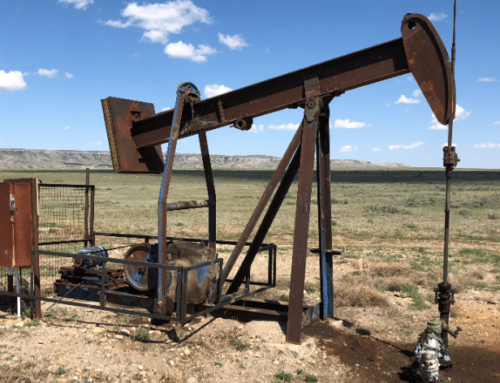
- Courtesy of Protect The Arctic/Florian Schulz